‘Dhurandhar Has its Flaws But it is Neither Propaganda Nor Islamophobic’
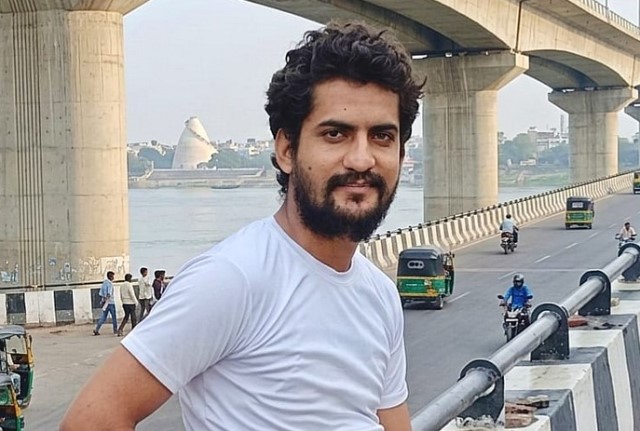
Gaurav Rathore, a movies buff from Delhi-NCR, says the violence in Aditya Dhar’s movie did not appear random or celebratory to him. His views:
I went into Dhurandhar after reading a lot of strong opinions about it. Words like gory, misogynistic, Islamophobic, propaganda movie were being thrown around so confidently that it felt like the verdict was already out. Watching the film for myself, I came out of the theatre with a feeling that while the movie was not without it flaws, those labels don’t fully—or fairly—describe what it is trying to convey.
The film is violent, no doubt about it. But it’s violent in the same way Sandeep Vanga Reddy’s Animal is: both rely heavily on hyper-masculinity to tell their story. These are worlds driven by anger, ego, loyalty, machismo and revenge. That tone won’t work for everyone, as it has a distinct genre and that’s okay. What is cinema without variety!
Moreover, the violence in Dhurandhar didn’t appear either random or celebratory to me. It was entwined with the plot, as part of the environment its characters are trapped in. You are not really meant to enjoy it as much as endure it.
Like Animal, Dhurandhar treats its villains almost like black holes. Once they enter the story, everything starts revolving around them. Scenes, emotions, even the pacing get pulled into their orbit. It’s an interesting choice because it shows how one dangerous personality can distort an entire world. Whether you like that approach or not, it’s clearly intentional—not careless, filmmaking.
The criticism around misogyny did not hold. The accusation appears a made-up charge which I failed to detect in the entire three-and-half hour run. The film does not present women either as symbols or as ideals. Instead, it shows them navigating a deeply flawed, male-dominated system. Some may get hurt by it, some compromise, some resist in their own ways. That may be uncomfortable to watch, but discomfort isn’t the same as endorsement. Not every film needs to provide empowerment in neat, uplifting arcs.
As for the Islamophobia charge, I think it’s being applied too broadly. The film shows extremist characters who are Muslim, but it doesn’t paint an entire community or faith as the enemy. There are Muslim characters who are victims, witnesses, and people just trying to live their lives. The film focuses more on ideology and violence than religion itself. Condemning a movie for showing radicalisation without looking at the context feels unfair to my mind.
Dhurandhar isn’t a perfect film. It’s loud, messy, and often exhausting. But it doesn’t feel like propaganda to me. It feels like a filmmaker has choosen a certain aggressive style and has left it to the audience to make up their own mind. You don’t have to like it—but dismissing it with big labels Islamophoic or misogynist shuts down a conversation that’s worth having.
As told to Deepti Sharma
‘Shifting Nitish to Rajya Sabha is an Insult to Bihar People’s Mandate’
‘Diplomacy Isn’t About Moral High Ground, It’s About Guarding Your Interests’
‘India’s Strategic Neutrality Safeguards Our Interests In War Situations’