‘Diplomacy Isn’t About Moral High Ground, It’s About Guarding Your Interests’
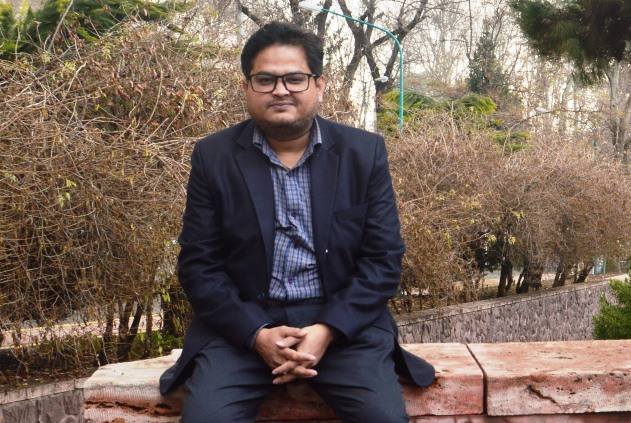
Ayiat Dar, a multimedia journalist and communications professional, says In a world dividing into camps, India’s Strength Lies in not rushing into one. Her views:
As headlines grow louder about rising tensions between the United States–Israel and Iran, the same question keeps popping up everywhere—from TV debates to tea stalls and family dinner tables: “Who should India support?” Some people believe India must take a strong moral stand and openly back one side. But Indian diplomacy has never really been about picking favourites. At its core, it has always been about protecting the everyday interests of its own people.
Choosing a side may sound bold and principled, but in reality, it’s a risky move with consequences that could directly affect millions of Indians. Foreign policy isn’t just about ideals and statements; it quietly shapes the cost of petrol, the strength of the economy, and the safety of Indians working abroad.
For the average Indian household, the “moral high ground” doesn’t make groceries cheaper or keep the lights on. If India leans too far toward the US-Israel alliance, it could strain relationships with important energy partners in the region. Much of the oil that fuels our cars, buses, and homes comes from West Asia. Any disruption there could quickly translate into higher fuel prices and rising living costs back home.
But leaning too far the other way isn’t simple either. If India were to tilt strongly toward Iran, it could risk its growing partnerships with Western countries—relationships that bring investments, technology, defense cooperation, and jobs. These partnerships help strengthen India’s economy and security, and they matter for the country’s future.
Then there is another reality that rarely gets enough attention: Indians working in the Gulf. More than nine million Indians live and work across that region. They are teachers, engineers, nurses, drivers, and construction workers—people who send money home to support families and build better lives. For them, a conflict in West Asia is not just a headline. It could suddenly become a question of safety.
This is why India’s approach often looks like neutrality. But it isn’t about sitting quietly on the fence. In many ways, India is holding the fence steady while the world pulls it apart. By maintaining relations with all sides, India keeps communication open when others stop talking. That ability is valuable in a world where diplomacy is often replaced by confrontation.
Staying balanced allows India to secure energy supplies, protect its diaspora, and continue working with different global partners without getting pulled into someone else’s conflict. It also allows India to act as a voice of calm when tensions rise.
Some critics call this “self-interest.” But for a country of over a billion people, looking after its own citizens is not selfish—it is responsible leadership.
At the end of the day, the goal of foreign policy should not be to win moral arguments on global stages. It should be to protect livelihoods, keep the economy stable, and ensure the safety of its people.
In a world that is constantly dividing itself into camps, India’s strength may lie in refusing to rush into one. Because when the world asks whose side India is on, the answer should remain simple: the side of its own people.
As told to Deepti Sharma
‘Dhurandhar 2 is a Compelling Joyride; Those Who Call It Propaganda Miss the Point’
‘Part of the Blame for a Weakened Federal Structure Lies With Greedy Regional Parties Too’
‘Iran Has Forced The Global Hegemon US To Eat Humble Pie’