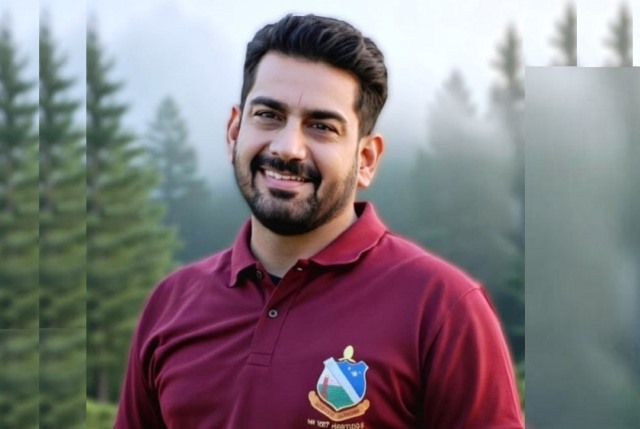
‘UGC Rules 2026 Are Rooted in the Basic Tenets of Our Constitution’
Dr Nisheeth Rai, faculty, department of anthropology, Mahatma Gandhi International Hindi University in Maharashtra, offers an objective analysis of new UGC rules with facts and stats.
UGC Rules 2026 have sparked an acrimonious debate amid a polarized academic ecosystem. To make matters worse there are narratives in social media which seek to project a dystopian and draconian scenario if these rules are imposed. At its core, the new rules are merely administrative guidelines intended to operationalize the Constitution within campus boundaries. Allow me to explain.
First, it should be clear that these regulations are neither a drastic law nor a charge-sheet against a specific community; these are a compliance measure rooted in the highest law of the land. The objective aligns directly with Article 14 (Equality before the Law) and Article 15, which prohibits discrimination on grounds of religion, race, caste, sex, or place of birth. The regulations do not stand outside the Constitution; rather firmly within it. The outrage often stems from a selective reading of the Constitution—embraced when it offers privilege, and rejected when it demands accountability.
There are also some misconceptions that have aroused with, what I believe, by miscalculation and misinterpretation. A primary justification for these new rules has been the reported 118.4% increase in discrimination cases from 2019-20 to 2023-24. While this percentage is statistically accurate, a deeper analysis is required to understand the ground reality and it goes as follows. The raw numbers show an increase from 173 complaints to 378 complaints. When viewed against the backdrop of India’s higher education sector, which houses approximately 4.33 crore students, these 378 complaints represent less than 0.03% of the student population—less than one complaint per 10,000 students.
Critics argue that the fundamental rights of crores of students should not be compromised for such a minute percentage, but from the government’s perspective, even a single instance of discrimination is a constitutional failure. Furthermore, the rise in numbers likely reflects better reporting mechanisms, such as the e-Samadhan portal, rather than a sudden spike in criminality. The challenge lies in addressing these specific cases without creating a blanket atmosphere of suspicion.
Second, much of the panic revolves around the 10-member Equity Committee where a narrative has been constructed that the General Category has been “erased” from this body. However, this fear is mathematically and technically unfounded. While the regulations mandate representation for SC, ST, and OBC members, along with women and persons with disabilities, the intersectionality is often ignored. A woman or a person with a disability can belong to the General category and furthermore, the unreserved seats remain open. The “math” is simple, but in the current political climate, simplicity is overshadowed by the fear of losing traditional hegemony.
While the intent is noble, the mechanics of the regulation raise valid administrative concerns. The regulations impose strict timelines for resolving complaints, with the implicit threat of funding cuts or loss of recognition for non-compliance. This creates immense institutional pressure and to save the institution’s reputation and secure funding, college administrations may opt for “summary justice.”
There also lies a genuine risk – that vice-chancellors and principals, fearing administrative backlash, might punish an accused student quickly rather than conducting a fair, time-consuming investigation. This rush to judgment may bypass the nuance required in sensitive interpersonal conflicts. Thus, a significant point of friction is the provision for immediate action against the accused. It is also being argued that opposing immediate punishment weakens the law, but a distinction must be drawn between security and punishment. While security measures like restraining orders, hostel changes, or monitoring are essential to protect the victim during an investigation, a punishment like suspending a student before an inquiry is complete treats them as guilty until proven innocent.
This approach risks violating the principles laid down by the Supreme Court in a case where the Court observed that action without inquiry can violate personal liberty. Furthermore, in another case, the Court warned against automatic arrests, stating that checks and balances are essential to prevent the law from becoming a weapon of harassment. The new UGC rules, in their current draft, seem to skirt these vital judicial guardrails. Thus, the two critical gaps in the regulations (Removal of Safeguards and Scope of Protection) require government attention to ensure the law is truly balanced.
The regulations are a necessary step toward a more inclusive academic environment and the government is right to challenge the status quo where privilege often masks discrimination. However, for these regulations to be truly effective and fair, they must be refined to restore safeguards against false complaints, ensure preliminary inquiries before suspension, and broadening the scope of protection will not weaken the law—it will strengthen the government’s credibility.
As told to Rajat Rai
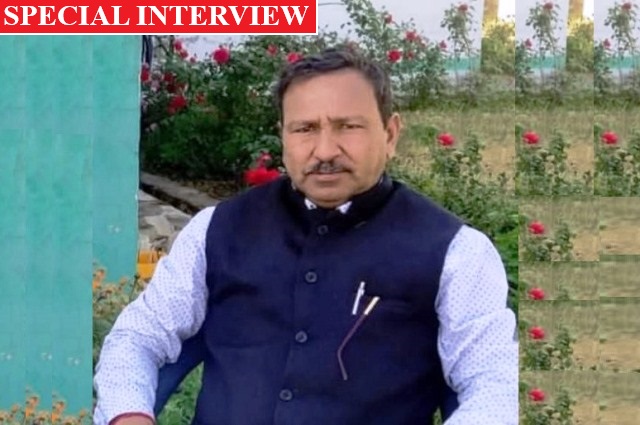
‘Part of the Blame for a Weakened Federal Structure Lies With Greedy Regional Parties Too’
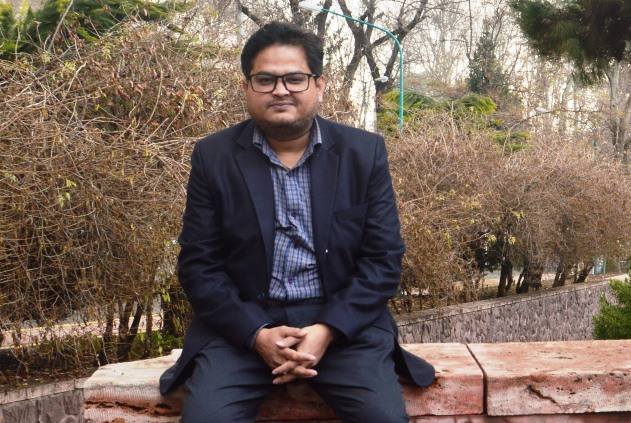
‘Iran Has Forced The Global Hegemon US To Eat Humble Pie’

‘Shifting Nitish to Rajya Sabha is an Insult to Bihar People’s Mandate’

‘Diplomacy Isn’t About Moral High Ground, It’s About Guarding Your Interests’

……UGC का मुद्दा ज्यादा से ज्यादा 1 हफ्ते मे खत्म हो जाएगा…मोदीजी EU के साथ FTA मे बिजी थे नहीं तो शायद ये पहले ही खत्म हो जाता…UGC Regulations सरकार नहीं लाई थी…ये पूरी तरह UGC का खुद का प्रोडक्ट था…लेकिन चूंकि UGC सरकार के अंडर आती है तो जिम्मेदारी सरकार की भी बनती है……..लोगों मे जो भ्रांतियां फैली उसका समाधान करने सरकार की तरफ से कोई आगे नहीं आया….ये भी सरकार की गलती थी…या शायद…सोची समझी रणनीति ये तो वक्त बताएगा….लेकिन….अब इतना बवाल होने के बाद सरकार ने इस पर हाई लेवल कमिटि बनाने का ऐलान किया है……….ये इसका सोल्यूशन नहीं है….इससे कुछ हासिल नहीं होगा…
* सरकार को अब इसे पूरी तरह होल्ड पर रख देना चाहिए…और पिछले महीने सांसद मे UGC को भंग करने का जो कानून सरकार लाई है…उसे जल्द से जल्द पास करना चाहिए.
* उसके बाद जो भी नई संस्था बने…उसके लिए जो भी नियम कानून बने…उसे पूरी clarity के साथ…सभी पक्षों से पूरी चर्चा के बाद बनाए जाने चाहिएं ताकि आगे किसी तरह की भ्रांतियां ना फैले.
* शिक्षण संस्थानों के लिए बनाए जाने वाले किसी भी नियम कानून मे जाति का उल्लेख नहीं होना चाहिए…sc/st/obc/general की जगह सिर्फ “छात्र” लिखा जाना चाहिए…क्यूंकि शिक्षण संस्थान शिक्षा के लिए होते हैं….और शिक्षा भेदभाव दूर करने के लिए होती है ना कि बढ़ाने के लिए…सब सिर्फ छात्र हों और सबको एकसमान अधिकार हों.
* मोदीजी का लक्ष्य है 2047 तक भारत को विकसित राष्ट्र बनाना…ये तभी सम्भव है जब हम जाति के नाम पर होनेवाले भेदभाव को पूरी तरह समाप्त करें…जातिवाद का अंत किए बिना ये सम्भव नहीं है…और इसकी शुरुआत शिक्षण संस्थानों से ही हो सकती है.
………लेकिन इस मुद्दे ने एक और सच्चाई उजागर कर दी…
* हमारे बीच कुछ ऐसे लोग हैं जो हर मुद्दे पर मोदी योगी को घसीट लाते हैं…मोदीजी को घसीटना समझ मे आता है…वो सरकार के मुखिया हैं…उनकी जिम्मेदारी बनती है….लेकिन योगीजी का इस मुद्दे से क्या लेना देना….भाजपा के इतने मुख्यमंत्री हैं…सिर्फ योगीजी पर ही हमले क्यूँ…!!…
* ये बताता है कि …..”कुछ लोग'” अपना कोई और ही एजेंडा चला रहे हैं…ये हर बार ऐक्टिव होते हैं…किसान आंदोलन मे किसान बनते हैं…CAA मे ऐक्टिविस्ट…आजकल सवर्ण बने हुए हैं…इन्हें पहचानने की जरूरत है.
* जिस तरह से इस मुद्दे के बाद सवर्ण accounts की बाढ़ आई है……जो कल तक मोदी योगी का गुणगान कर रहे थे…वो रातोंरात गाली गलोच पर उतर आएं…ये स्वाभाविक नहीं है…इसके पीछे एजेंडा है.
……..UGC Regulations पर बहस जरूरी है…लेकिन उसे सरकार विरोधी…मोदी योगी विरोधी. ..जातीय ध्रुवीकरण मे बदल देना. …..देश…समाज और शिक्षा….तीनों लिए खतरनाक है. ….
जय श्रीराम 🙏🚩
आरक्षण नीति को लेकर कई चिंताएं हैं कि इससे वास्तव में जरुवतमंद व्यक्तियों को लाभ पहुंचाने और उन्हें आत्मनिर्भर बनाने में कितने दशक लग जाएंगे, यह भी एक शोध का विषय है।
सबसे पहले, जिन लोगों ने आरक्षण का लाभ उठाया है और जिनके सगे-संबंधियों को भी इस नीति से लाभ मिला है, उन्हें इस वर्ग के अन्य लोगों के लिए इस लाभ को छोड़ने का साहस दिखाना चाहिए।
यह देखा गया है कि दादा से लेकर पोते-पोतियों तक सभी ने आरक्षण का लाभ उठाया है।
और एक घर में अगर 5 बेटे हैं, फिर उनके पांचों बेटे आरक्षण नीति के तहत ही सरकारी नौकरी में हैं। इसकी जाँच होनी चाहिए और उनके बेटे भी इस नीति का लाभ उठा रहे हैं। इससे दूसरों के लिए मुश्किलें खड़ी हो जाएंगी।और इससे आरक्षण नीति का मूल उद्देश्य कभी पूरा नहीं होगा।
इसलिए अब उन्हें दूसरों के प्रति भी उदारता दिखानी चाहिए ताकि उनकी स्थिति में सुधार हो सके और उन्हें आरक्षण के माध्यम से रोजगार मिल सके।
जिस प्रकार इस देश के लोगों ने गैस पर मिलने वाली सब्सिडी को छोड़कर पूरी कीमत चुकाने का विकल्प चुना, उसी प्रकार यह समय की मांग है, कम से कम इस पर विचार जरुर करें।
अन्यथा, जब तक दुनिया अस्तित्व में रहेगी, आरक्षण की मूल अवधारणा कभी पूरी नहीं हो पाएगी। सबकी जरूरतें पूरी हो सकती हैं, लेकिन अधिक से अधिक हड़पने का लालच कभी पूरा नहीं हो सकता।
हर चीज की एक सीमा होती है, यह बात हमेशा ध्यान में रखनी चाहिए। अधिक खाने से आंतों का स्वास्थ्य खराब हो जाता है। ठीक इसी तरह मानसिक स्वास्थ्य भी प्रभावित होता है।

So called depressed, underprivileged class should be provided all facilities, resources by the govt to come up to a leveling ground, and then they should be left in the open market, without any reservation, to compete with others. Then only equality, समानता, in its true sense can prevail without any complex to anyone….but some of them will not like it because of vested interests !!