Former Diplomat Sunjay Sudhir Calls Out Pakistan’s Mediator Bluff
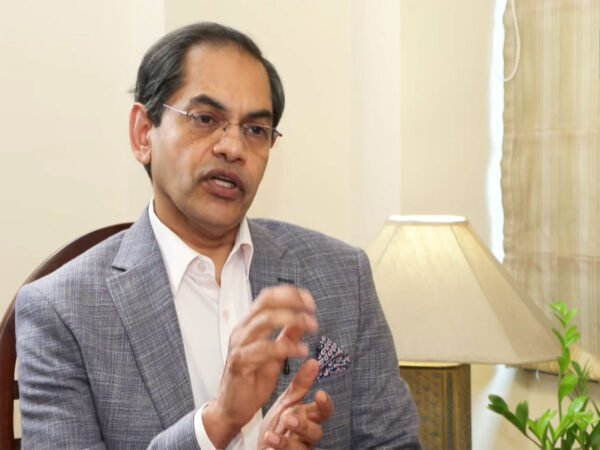
Former Indian Ambassador to the UAE, Sunjay Sudhir, delivered a blunt assessment of Islamabad’s standing in West Asian diplomacy, asserting that Pakistan was never a “mediator” in the Iran-US conflict, but merely a “messenger at best.”
Speaking to ANI, highlighted a growing “trust deficit” and financial pressure that appear to be isolating Islamabad on the global stage. He noted that true mediation requires both conflicting parties to sit at the table with the intermediary–a scenario that never materialised for Pakistan.
“I think the two things which you have spoken about speak of the credibility of Pakistan. Because Pakistan, till yesterday, was tom-tomming the fact that it is a mediator. It was actually far from being a mediator; it was more of a messenger at best. Mediation means that both parties are sitting with you–that never happened. So the thing is that the bluff has been called off by Iran, as you say,” he said.
Despite Pakistan’s claims of playing a pivotal role in de-escalating tensions, Iran reportedly refused to meet any US-led delegation on Pakistani soil. The Wall Street Journal reported that Tehran has characterised US demands as “unacceptable,” effectively stalling any early resolution and sidelining Islamabad’s diplomatic efforts.
Sudhir said that Iran’s refusal to engage through Islamabad has effectively exposed Pakistan’s exaggerated claims of diplomatic influence. The diplomatic setback comes at a time of severe economic vulnerability for Pakistan. Reports suggest the UAE has requested Pakistan to settle its outstanding sovereign debts within a month.
“On the other part about repayment of loans, I’ve spent four years in the UAE, and I could see that the UAE has always been very considerate to Pakistan in terms of debt repayment. But of course, there is a limit. There is a limit, and how long can they just keep postponing those dates? And a time comes when loans have to be repaid by any sovereign. I think that time has come. And maybe this would perhaps have something to say about Pakistan’s role in all that’s going on there,” he said.
Notably, Pakistan has decided to return USD 3.5 billion in debt to the United Arab Emirates (UAE) before the end of the month, a senior Pakistani official said, as reported by the Dawn.
The official described the move as a step taken to uphold “national dignity”, despite the expected impact on the country’s foreign exchange reserves. “The amount will be returned as soon as possible,” the official said, adding that “national dignity could not be compromised for financial considerations.”
The news report said that Abu Dhabi had sought the immediate return of the funds, which were part of external financial support extended in 2019 through the Abu Dhabi Fund for Development to stabilise Pakistan’s balance of payments.
As reported by Dawn, Pakistan is currently under an International Monetary Fund programme that requires it to secure about USD 12.5 billion in rollovers from key partners, including China, Saudi Arabia, and the UAE, to maintain reserve levels and meet external financing needs.
The latest data, as reported by Dawn, places Pakistan’s central bank reserves at approximately USD 16.3 billion. A repayment of around USD 3 billion could reduce reserves by nearly 18 per cent, significantly weakening the country’s external buffer and import cover.
Economic analysts warned that the move could increase pressure on Pakistan’s currency and complicate its position under the IMF programme if not offset by fresh inflows. However, no immediate replacement financing arrangements were indicated.
The intersection of these two developments–diplomatic rejection by Iran and financial pressure from the UAE–suggests a shrinking space for Pakistan to manoeuvre within the complex geopolitics of West Asia. (ANI)