Mass Exodus Threatens Indian Rural Ecosystem
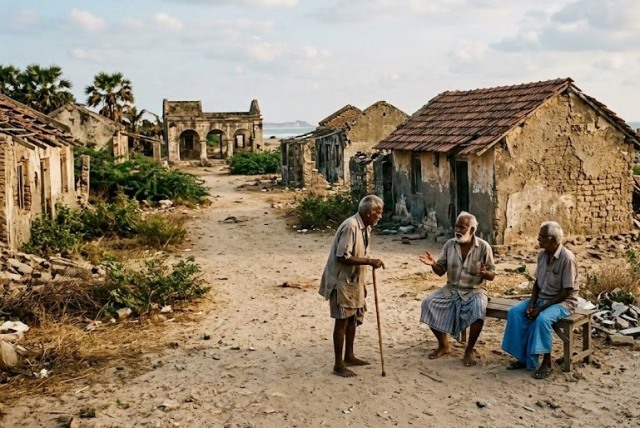
The silence of the afternoon in most of the Indian villages seems heavier than before. Courtyards where the laughter of children was heard are silent now. Houses are locked and walls are fading, and they tell no stories. The elderly parents are sitting outside their houses waiting to be called by the cities that are far away. Rural India is gradually facing a painful reality. The migration of young people to school and jobs is abandoning a more vulnerable elderly population.
Aspiration is common in the start of the story. Men and women go out of their villages with hopes of securing jobs and opportunities. This movement is motivated by economic need, educational aspirations and increased living expenses. Migration itself is not new. It has traditionally enhanced revenues and broadened horizons. But the social impacts of it are now more apparent in the countryside. It is estimated that close to 12% of the rural aged individuals live without regular family support. That figure indicates a silent revolution in the village.
Most of the aged parents are living alone as their children establish careers in urban areas. Money can come in the form of bank transfers but emotional presence cannot come in the same way. Festivals turn into telephone calls. Disease turns into a personal battle. Everyday communication is lost. Companionship, reassurance and joint responsibilities cannot be substituted with financial remittances.
Historically, Indian villages were based on joint families. The aged were honored counselors and nannies. Their experience informed the choices of farming, family conflicts, and social practices. Migration of the youth interferes with this set up. As the younger generations become permanent residents in the urban areas, the cycle of interdependence is compromised. Some are reluctant to move due to attachment to ancestral houses or a lack of comfort in the city. People are afraid to lose social identity. Physical distance slowly turns into emotional distance.
The problem is further enhanced by healthcare issues. Access and affordability have gaps in rural health services. The isolated elderly might postpone medical attention due to lack of transport or support. Patients with chronic illnesses (diabetes and hypertension) have to be monitored regularly. Routine treatment is hard without the support of the family. Emotional health is also affected. Loneliness over a long period poses the risk of depression and anxiety.
Another issue is social dignity. Elderly people used to hold visible positions in village life. Some of them are marginalised today. Occasional assistance can be provided by neighbours, but long term care is uncommon. In the long run, isolation will lead to less involvement in local events and decision making. The lack of younger family members undermines the stability of households and communities.
Things are made worse by economic realities. Not every migrant is successful in cities. The increase in urban costs and insecure jobs restrict their capacity to remit money back home. Coverage of rural pensions is not even. A large number of the elderly rely on savings or small-scale agriculture. Financial pressure is imposed by climate uncertainty and unstable crop prices. For landless or asset-less people, vulnerability is acute.
This is not a matter of migration. It is indicative of larger social change. The expectations and responsibilities are being transformed by urbanisation and nuclear families. Younger generations have to make hard decisions between survival in the profession and parental care. Accusation is of no help. The difficulty is to develop systems that can keep abreast with evolving realities.
It is necessary to strengthen rural social security programmes. Dependence on family support can be minimized by having reliable pensions and having healthcare available. A sense of belonging can be regained through community based programs like the senior activity centres and volunteer networks. The mobile medical units will be able to reach individuals who have challenges with transport. Local governance institutions can be more involved in the identification of at risk elderly residents.
Technology is a partial solution. Video calls and mobile phones help families to be in touch. Elderly villagers can be assisted in accessing welfare schemes and telemedicine services with the help of digital literacy programmes. Nevertheless, technology should not substitute human interaction but rather supplement it. Emotional care is not something that should be neglected.
The quiet courtyards of rural India reflect more than migration. They reveal a social transition that demands thoughtful response. Ensuring dignity and care for the rural elderly is not merely a private obligation. It is a collective responsibility. If progress is to be meaningful, it must include those who once sustained village life with their labour and wisdom.