Seoul Says N Korea Deterrence Intact Despite USFK Relocation
South Korea on Wednesday said its deterrence posture against North Korea would remain unaffected even if some military assets of the United States Forces Korea (USFK) are relocated from the Korean Peninsula amid the conflict in West Asia, Yonhap News Agency reported.
According to Yonhap News Agency, citing a senior official at Cheong Wa Dae, the executive office of the president of South Korea said that the country possesses sufficient military capability to maintain a strong deterrence posture regardless of any potential redeployment of USFK assets.
“Given our level of military capability, defence spending, defence industry capacity and the high morale of our troops, there is no problem with deterrence against North Korea regardless of whether some USFK assets are relocated overseas,” the official said as quoted by Yonhap News Agency.
The remarks come amid reports claiming that the USFK has relocated parts of its air defence systems, including elements of the Terminal High Altitude Area Defense (THAAD) system, from South Korea as conflicts continue in West Asia.
However, the official declined to confirm or deny the reports, saying it would be inappropriate for the government to comment on operational military matters between Seoul and Washington, Yonhap News Agency reported.
The official further emphasised that South Korea and the United States remain in close coordination to maintain a strong combined defence posture, adding that both countries will continue to work together through close communication and coordination to ensure peace and stability on the Korean Peninsula and across the broader region.
“It is not appropriate for our government to comment on military operations between Korea and the US,” the official said, as quoted by Yonhap News Agency
“Korea and the US will maintain a robust combined defence posture to contribute to peace and stability on the Korean Peninsula and in the region. To that end, the two countries will continue close communication and coordination,” the official added.
Meanwhile, China’s Foreign Ministry Spokesperson Guo Jiakun said earlier today that Beijing is willing to play a “constructive role” in easing tensions and restoring peace in the region, noting that the country will be in touch with all parties involved in the conflict.
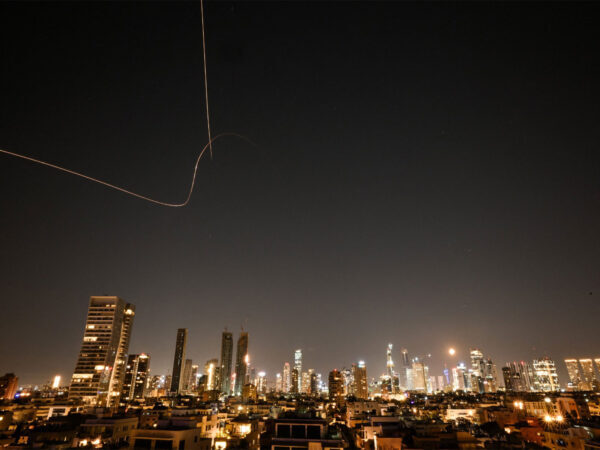
The conflict in the region escalated following the killing of 86-year-old Iran’s Supreme Leader, Ayatollah Ali Khamenei, in joint military strikes by the US and Israel on February 28, after which Iran, in its retaliation, targeted Israeli and US assets in several Gulf countries and Israel, causing disruption in the waterway and affecting international energy markets and global economic stability. (ANI)