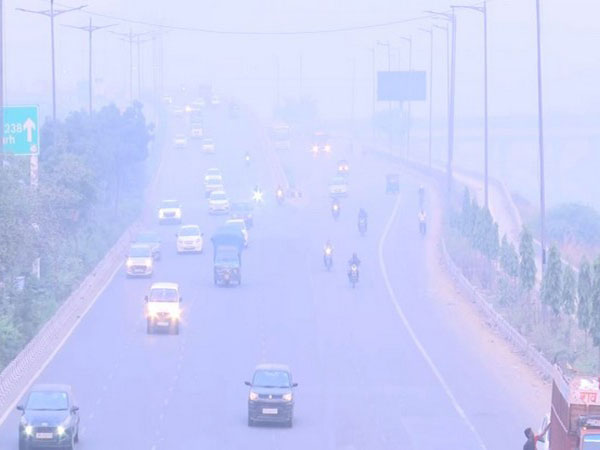
Short-Term Exposure To Air Pollution Can Trigger Neurological Problems
With air pollution levels rising across the Delhi-NCR region, a growing number of people are reporting neurological health problems. Short-term exposure can trigger issues like cognitive impairment, anxiety, and even stroke. Particulate matter (PM2.5), nitrogen dioxide, and ozone are key culprits, disrupting brain function and sparking inflammation.
Speaking with ANI, Dr Vinit Suri, Senior Consultant, Neurology, Apollo Hospitals, said that rising air pollution is linked to neurological issues like headaches, dizziness, and memory loss, with long-term exposure potentially causing Alzheimer’s, Parkinson’s, and strokes.
He said, “Normally, it is said that air pollution affects the lungs, sinuses, and heart, but after a lot of research, it can be said that it affects the brain too. Short-term exposure can cause headache, dizziness, and transient memory loss or brain fogging. Long-term exposure is linked to many neurological disorders like alzheimer’s, dementia, Parkinson’s disease, ADHD and autism in kids. Strokes are also linked to exposure to high pollution levels…”
He further stated that air pollution tends to slow down the recovery of stroke patients.
“There are some observational studies that high air pollution can slow down the recovery of stroke patients,” added Dr Suri.
With rising air pollution, physicians are seeing a surge in chest X-rays and chest CT scans due to increased lung-related conditions. Air pollution directly affects the lungs and causes inflammation in other organs, thereby increasing the demand for these diagnostic tests.
Dr Harsh Mahajan, Chairman of the FICCI Health Services Committee and Founder and Chief Radiologist at Mahajan Imaging & Labs, said, “In winters we see an upsurge of people coming with breathlessness, chest infection, some allergic conditions…So it is a routine matter that the number of chest X-rays, or for that matter, even chest CTS that we may do in our centres does increase in winters. “
However, Dr Mahajan pointed out that it remains difficult to clearly distinguish how much of these ailments can be attributed to low temperatures and how much to air pollution.
He further said, “It is difficult to segregate how much of this is because of the low temperature and how much is due to pollution.”
He further emphasised that the goal is to reduce pollution levels to levels acceptable under WHO guidelines in the coming months and years.
“Certainly, the government has a huge responsibility to put things in order to reduce pollution, whether it is pollution from vehicles, and they are doing it by mandating the BS6 norms for vehicles. They are also working to reduce dust at road construction sites… However, the government must increase public transport… Citizens and the government should work together to resolve this problem… Our goal should be that progressively in the next months and years to come, pollution should be brought down to levels that are acceptable as per WHO norms,” said Dr. Mahajan.
Dr Vinay Goyal, Chairman, Neurology, Neurosciences, Medanta, Gurugram said, “We frequently observe a distinct surge in headache complaints during colder months, exacerbated by escalating air pollution. These headaches are far from trivial; globally, they represent a significant public health challenge, ranking as the second leading cause of years lived with disability (YLDs). The burden is particularly profound in countries like India, which in 2019 ranked among the top four globally for the highest migraine cases, alongside China, the USA, and Indonesia. A study in Karnataka, for example, showed a staggering one-year prevalence of 25.2%, significantly above the global average. We also note that prevalence is often higher in rural areas and disproportionately affects women, with a female-to-male ratio of about 3:1. Children are affected too, with approximately 15% experiencing migraines.
Winter brings unique physiological challenges: barometric pressure shifts, a natural rise in blood pressure due to cold-induced vasoconstriction, and subtle dehydration from reduced fluid intake are common triggers. Increased indoor time exposes us to dry, heated air and concentrated allergens, irritating the sinuses. Reduced daylight also impacts mood and sleep, indirectly worsening headache frequency.
Layered on top of these seasonal factors is the insidious threat of air pollution. Microscopic particulate matter (PM2.5), ground-level ozone, and other noxious gases are more than respiratory irritants. Inhaled, these pollutants trigger systemic inflammation and oxidative stress, affecting brain tissues. They impact blood vessel function and directly irritate nasal nerve endings, contributing to tension or sinus headaches.
The synergy between these elements is concerning. A body already under stress from winter conditions becomes inherently more vulnerable to the inflammatory assault of pollutants. A mild, transient headache can become more severe, prolonged, and frequent when both factors are present.
“My advice is practical and preventative: prioritise consistent hydration, even if you don’t feel thirsty. Invest in high-efficiency air purifiers for your home and consider N95 masks when venturing outdoors on high-pollution days. Ensure adequate sleep, proactively manage stress, and maintain a balanced diet. If headaches become persistent or severe, or affect your quality of life, please consult your physician. We can help identify underlying causes and tailor an effective management strategy to safeguard your health.”
Vulnerable groups like children, the elderly, and those with pre-existing conditions face heightened risks. Reducing exposure through masks, green spaces, and policy changes can help mitigate these effects. Experts urged the government and citizens to collaborate on solutions such as expanding public transport and enforcing BS6 norms. (ANI).
MEA Sets Up Special Control Room Amid West Asia Crisis; Releases Helpline Numbers For Gulf

Iran’s IRGC Claims Control Of Strait of Hormuz, Warns Ships Of Risk From Missiles And Drones
‘Good Friends’: Manickam Tagore Hints At Accepting DMK Alliance For Tamil Nadu Polls