‘Cockroach Party is More Than A Social Media Trend; It Reflects Gen Z Aspirations’
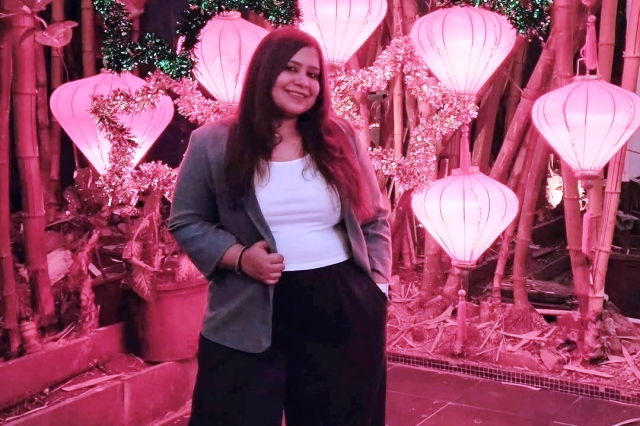
Ritika Dasgupta, a Pune-based educator, says Gen Z is finally speaking up about issues that affect their future, we should be encouraging them. Her views:
As a teacher, I interact with young people every day, and what I see is not anger for the sake of anger. What I see is disappointment. Students work hard, make sacrifices, and invest years of efforts in their education with the belief that the system will be fair. When exam irregularities, paper leaks, administrative failures, and a lack of accountability repeatedly make headlines, that trust is shaken.
I can understand why students feel frustrated. Education is not just about marks or admissions; it is about hope, opportunity, and faith in institutions. When those institutions appear inefficient or unresponsive, young people naturally begin to question them.
At the same time, I believe their concerns deserve to be heard seriously rather than dismissed as overreaction. Young people are not reacting to rumours or imagined grievances; they are responding to documented failures, recurring irregularities, and a lack of accountability that has eroded public trust.
When students raise these concerns, they are not speaking from emotion alone—they are speaking from ‘lived experience’. As educators, parents, and citizens, we have a responsibility to stand beside them and advocate for transparency, accountability, and meaningful reform.
I believe the outrage, as signified by the massive, youthful protests organised by the Cockroach Janta Party across India, and its 22 million plus social media followers despite an initial ban on their handles, is understandable and justified. For years, Gen Z has often been labelled as distracted, entitled, or disengaged. Yet, when they choose to participate in public discourse, question authority, and demand accountability, that same engagement is sometimes viewed with suspicion.
The large following of movements like the Cockroach Janta Party reflects something deeper than a social media trend. It signals that many young people feel unheard and are looking for a platform that represents their frustrations and aspirations.

Whether one agrees with the movement’s ideologies or methods is secondary. What matters is that millions of young Indian citizens are expressing a desire for change.
In a democracy, that energy should be acknowledged — not ridiculed.
I believe we have reached a point where enough truly is enough. The frustration we are witnessing is not the result of a single incident; it is the cumulative effect of years of inefficiency, broken systems, and a growing perception that corruption and lack of accountability have seeped into far too many aspects of public life.
When issues begin to impact the education system and the futures of millions of young people, silence is no longer an option. What we are seeing today is not a generation overreacting—it is a generation refusing to normalize what should never have been accepted in the first place.
As a resident of Pune, I fully support what I saw this week (the CJP protest rally). Pune has always been a city of students, and it was inspiring to see young people move beyond conversations and make their voices heard.
What stood out was not just the turnout but the honesty of it all. The posters were clever, the slogans were witty, and the satire was sharp—but beneath the humour was a bitter truth many Indians have been discussing for years: inefficiency, lack of accountability, and corruption have been normalized for far too long.
What I saw was not mindless outrage; it was informed frustration.
These students were not asking for special treatment—they were demanding fairness.
For years, Gen Z has been labelled a laid-back generation. Yet, when they finally speak up about issues that directly affect their future, they are criticized for being too vocal. That makes little sense to me. This is exactly the kind of citizenship we should be encouraging.
As educators, parents, grandparents, and millennials, we should stand with them. When systemic failures begin to impact education and the future of an entire generation, it is no longer just a student issue—it is society’s issue.
What gave me hope was not the protest itself, but the fact that young people are refusing to accept that things have to remain the way they are.
No one can predict the future of any movement. Some fade quickly, while others leave a lasting mark on society. However, even movements that do not achieve immediate political change, often influence public conversations and shift attitudes over time.
What makes this movement significant is that it is rooted in issues that directly affect young people’s futures. When concerns about education, opportunity, justice, and institutional accountability become central to a movement, they tend to resonate widely.
If this movement remains focused, inclusive, and constructive, with collective participation of both young women and men, it could encourage greater civic participation among young Indians and push institutions to become more transparent, impartial, just and responsive. Even if change is slow, the message is clear: today’s youth are no longer willing to remain passive observers.
(Ritika Dasgupta has over 13 years of teaching experience across diverse educational boards, including CBSE and ICSE. She has been an IB educator at a reputed international school in Pune, working closely with students across age groups)
As told to Amit Sengupta