Iranian Supertanker Offloads 2mn Barrels of Oil, Breeches ‘Blockade Line’
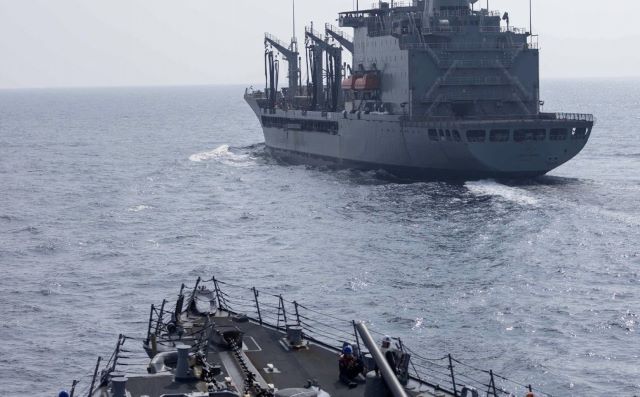
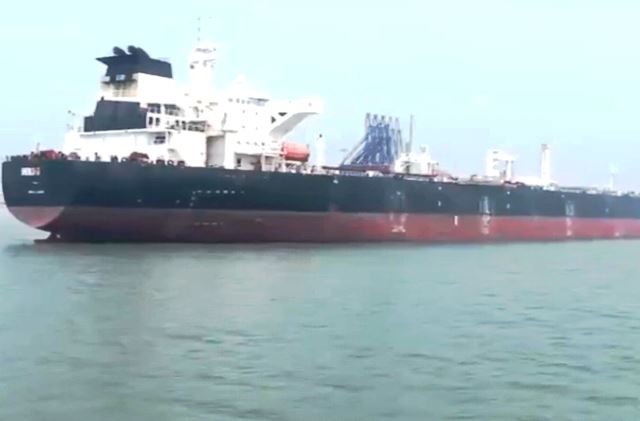
An Iranian supertanker has successfully bypassed a US naval blockade returning to Iranian waters after delivering 2 million barrels of crude oil via the Riau Archipelago, reports Fars News. The vessel had departed Iran in March to Indonesia and was making its return admist the US imposed Naval blockade.
While Tehran hails the mission as a breakthrough against the “US Siege,” regional tensions remain high as a critical ceasefire deadline approaches on April 22.
The successful transit comes amid heightened monitoring of Iranian maritime activities and commercial shipping lanes in the region. In a defiant move against Western maritime restrictions, Iranian media reporting has characterised the mission as a significant breakthrough, stating that “Another Iranian Tanker Breaches the U.S. Siege.”
Iran’s Fars News Agency, framed the journey towards the “Riau Islands” in Indonesia as a major development against the economic and naval pressure campaign directed at Tehran’s energy exports.
Fars cited Vessel Tracking site Tanker Traffic which reported, “National Iranian VLCC supertanker departed Iran in late March 2026 and swam on over to the Riau Archipelago where she transferred her 2 million barrels of crude oil to another VLCC. She then returned home via the blockade line. She’ll reach Kharg Island tomorrow.”
This comes as Tehran continues to utilise its fleet to navigate around unilateral sanctions, with officials frequently dismissing American-led enforcement efforts as an illegal blockade.
The successful return of the supertanker is being viewed by state media as a testament to the country’s ability to maintain its petroleum supply chains despite the intense surveillance of the “U.S. Siege.” While neither Washington nor international maritime authorities have issued a formal response to the vessel’s specific movement, the development coincides with a period in which tensions between Tehran and Washington have reached a critical flashpoint.
As the 22 April ceasefire deadline approaches, the diplomatic deadlock remains rooted in long-standing disputes over the Iranian nuclear programme and the security of the Strait of Hormuz, a vital artery for global energy supplies. While the current 14-day truce has managed to pause active combat, the atmosphere remains poisoned by mutual suspicion.
As the clock runs down on the fragile ceasefire, both capitals remain entrenched in a dangerous standoff. With the threat of renewed hostilities hanging over the region, the success of the Islamabad talks appears increasingly uncertain. (ANI)