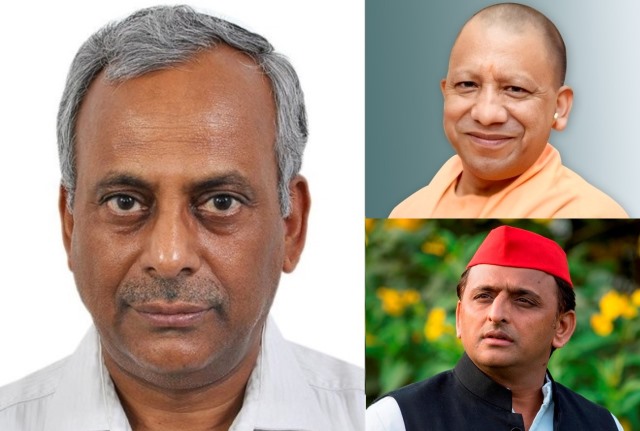
‘Yogi Well-Positioned For Repeat Win in UP; Akhilesh Will Be Mamata 2.0’
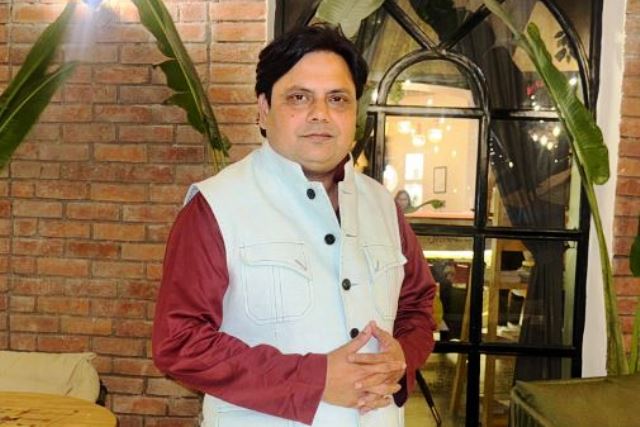
Vinay Kumar, who has served NTPC in high positions, says the momentum in Uttar Pradesh appears to favour continuity rather than change. His views:
As the political landscape of India continues to evolve, regional parties that once appeared invincible are increasingly facing difficult questions about leadership, governance, and public trust. The weakening grip of leaders like Mamata Banerjee in West Bengal has naturally triggered discussions about whether a similar political challenge awaits Akhilesh Yadav and the Samajwadi Party in Uttar Pradesh.
In my opinion, despite attempts by the opposition to project anti-incumbency against Yogi Adityanath after nearly ten years in power, the political reality on the ground suggests that Yogi is well-positioned to repeat his victory in the February 2027 Assembly elections.
One of the key reasons lies in public memory. The people of Uttar Pradesh have not forgotten the law-and-order situation during the Samajwadi Party regime. Under Akhilesh Yadav’s government, incidents of riots, criminal patronage, and political interference in administration were frequently discussed. Many citizens felt that policing became heavily influenced by caste considerations, particularly allegations of “Yadavisation” within the police and administrative setup. Whether entirely accurate or politically amplified, this perception significantly damaged the image of neutral governance.
Law & Order
Today, the Yogi government has built its strongest political narrative around improved law and order. The strict approach toward organized crime and visible administrative control has created a sense of security among ordinary citizens, traders, and women voters. For many voters, this remains a decisive factor that overshadows anti-incumbency arguments.
Another issue that continues to hurt the Samajwadi Party is the perception of excessive minority appeasement. Uttar Pradesh voters, particularly in rural and semi-urban regions, increasingly prefer leadership that they believe treats all communities equally rather than engaging in selective vote-bank politics. Political messaging centered excessively around caste and communal identities is losing appeal among younger voters who seek stability, development, and infrastructure growth.
Recent controversial statements by some Samajwadi Party spokespersons have further damaged the party’s outreach. Remarks attributed to Rajkumar Bhati against Brahmins, Rajputs, and respected Hindu religious figures created resentment among large sections of society. Such comments reinforce the belief that the party leadership either tolerates or fails to control divisive rhetoric. In a culturally sensitive state like Uttar Pradesh, disrespect toward communities and religious traditions can have significant political consequences.
Samajwadi Party On Weak Turf
The Samajwadi Party also faces criticism regarding its past record on violence and atrocities against Dalits during its tenure. While every government faces challenges, opposition parties are often judged more harshly when they attempt to regain power after previous allegations of administrative bias and social injustice. Dalit voters today are politically aware and no longer remain permanently aligned with any single party.
At the same time, attacks on Yogi Adityanath through repeated references to his pre-sanyasa identity or accusations of caste-centric politics may not produce the desired electoral impact. Such criticism often appears personal rather than policy-oriented and may actually strengthen sympathy among his supporters. Voters generally respond more positively to constructive alternatives than to identity-based attacks.
The 2027 Uttar Pradesh election will undoubtedly be fiercely contested. However, unless the Samajwadi Party fundamentally changes its political messaging, broadens its social appeal, and presents a stronger governance vision, it will struggle to overcome the advantages currently enjoyed by Yogi Adityanath and the ruling establishment. At present, the momentum still appears to favor continuity rather than change.
(The narrator is former secretary (corporate centre) of the NTPC Executive Federation of India)
As told to Deepti Sharma