‘Tall Claims Made By Opposition on Women Empowerment Lie Exposed’
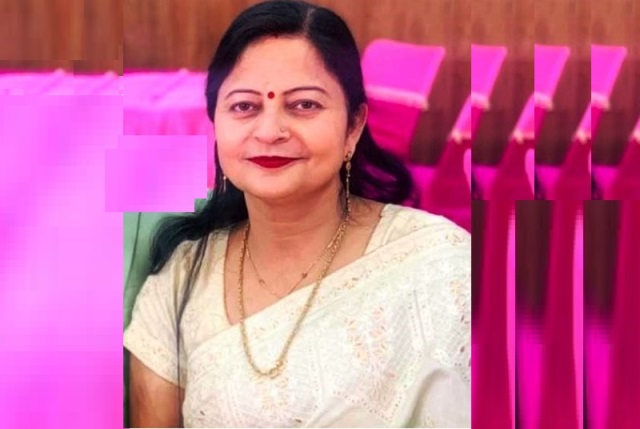
Arti Gupta, an entrepreneur and a homemaker from Lucknow, says the defeat of Women Reservation Bill shows the hypocrisy of many parties. Her views:
I am a citizen of Uttar Pradesh for several decades and I have followed the politics played regional as well as central parties in my state. I can tell you one thing for sure: the tall claims made by political parties such as the Congress and the Samajwadi Party, particularly in Uttar Pradesh, regarding women’s rights and their concern for our social standing have been nothing more than political propaganda.
Their so-called concern for women surfaced only during elections. This is not merely an act of shameless patriarchy, but also a betrayal of millions of women and yet another delay in securing equal representation.
A simple question continues to resonate among women across India and the general public alike — who would willingly vote against women’s representation? As if that was not enough, these self-proclaimed aware and committed parties spread misleading narratives, despite the fact that in today’s era, information is available instantly.
They claimed that the central government intended to push forward delimitation solely for its demographic and political gains. However, as a socially aware homemaker, along with many women in my circle, I understand that the census process is already on record and is expected to take place this year, naturally to be followed by delimitation.
So, what was the need to create unnecessary chaos and shamelessly pat themselves on the back by claiming that opposing the Bill amounted to “saving the Constitution”? Such arguments are unreasonable, and it is difficult to imagine how these parties will convince increasingly aware voters in the upcoming state elections.
Women Reservation Bill
The Women’s Reservation Bill was merely a step toward ensuring equal opportunities for women in politics. It is a well-known reality that women face far greater social barriers and challenges than men. In such circumstances, equal rights alone are not enough — special provisions are necessary to ensure genuine equal opportunities. Although the Constitution grants women the right to vote and contest elections, these formal rights alone have not guaranteed meaningful political participation. Women continue to remain underrepresented in positions of power and decision-making.
The debate surrounding the Bill, along with the excuses and arguments presented by those who opposed it, made one thing abundantly clear: the real intention of these pseudo-sympathizers has always been to keep women one step behind men. If they believe their weak justifications will help them electorally, they are living under an illusion. Women voters will respond in their own silent yet powerful manner, and such politics will only further reduce these parties’ chances in future elections.
At the same time, accountability must be demanded from all sides for the prolonged delay in implementing the 33% reservation. The focus should remain on genuine empowerment rather than narrow political or power-driven motives. Women deserve respectful participation in the decision-making process — not as an act of pity, but as a matter of justice, capability, and democratic responsibility.
As told to Rajat Rai
‘If the Left Is Dead, Why Does Indian Politics Still Speak Its Language?’

‘Young Indians Want To Be Heard; Cockroach Party Provides The Platform’

‘Cockroach Party is More Than A Social Media Trend; It Reflects Gen Z Aspirations’