Notice Issued To Karti Chidambaram’s Plea Challenging Charges In Chinese Visa Scam Case

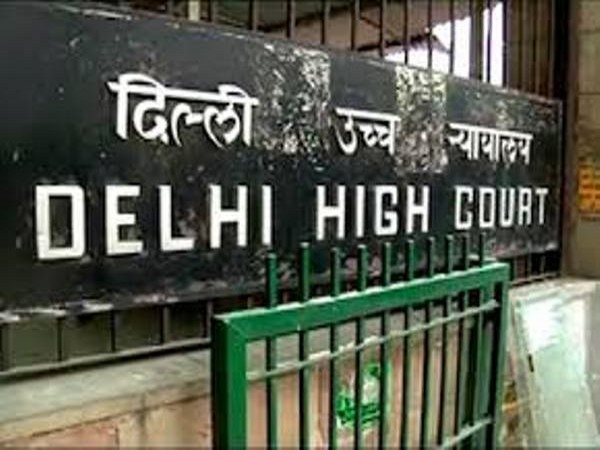
The Delhi High Court on Wednesday issued notice on a plea filed by Congress MP Karti Chidambaram challenging the framing of charges against him in the alleged Chinese Visa scam case being probed by the Central Bureau of Investigation (CBI).

A single-judge bench of Justice Manoj Jain also issued notice on Chidambaram’s application seeking a stay of further proceedings. The petition assails the trial court’s order dated December 23, 2025, by which Chidambaram was directed to face trial.

The plea contends that there is a complete absence of essential ingredients required to invoke Sections 8 and 9 of the Prevention of Corruption Act, as well as Section 204 of the Indian Penal Code. It has been argued that there is nothing on record to even remotely indicate any demand or acceptance of illegal gratification.

Appearing on advance notice, the Special Public Prosecutor for the CBI sought a short date to file a brief reply and status report, which the court permitted. The High Court was informed that the next date before the trial court is February 4, when the matter is listed for admission and denial of documents.

Senior Advocate Siddharth Luthra, along with Advocate Arshdeep Khurana, appearing for Chidambaram, submitted that the charge under Section 204 IPC relating to the destruction of documents or electronic records to prevent their production as evidence is wholly unsustainable and unsupported by any material on record.

For context, charges have been framed against Chidambaram for criminal conspiracy, destruction of evidence, and offences under the Prevention of Corruption Act, including allegations of bribing a public servant and bribery by a commercial organisation.

The High Court proceedings come after a series of recusals by different judges. Recently, Justice Girish Kathpalia recused himself from hearing Chidambaram’s revision petition against the framing of charges. Prior to that, Justice Anup Jairam Bhambhani had recused on January 21, while Justice Swarna Kanta Sharma had stepped aside on January 15.

In his plea, Chidambaram has stated that the trial court failed to appreciate that the material and documents on record present an entirely different picture. It is claimed that the alleged conspiracy was the brainchild of approver Vikas Makharia, who allegedly misused the permissible provision for re-use of project visas for personal gain and later sought to shift blame onto other accused.

The petition further asserts that no public servant has been identified as having been influenced or sought to be influenced. Two public servants examined by the CBI have categorically stated that no attempt was made to influence them. The only other public servant named in the chargesheet, Adarsh Swaika, an officer posted at the Indian Embassy in Beijing, was neither investigated nor examined, as a sanction under Section 17A of the PC Act was declined on three occasions.

The plea also challenges the trial court’s observation that Sections 8 and 9 of the PC Act would apply even if the alleged bribe was paid for a legal act. According to the petitioner, this finding is contrary to the prosecution’s own case that the alleged payment was made to secure permission for re-use of visas in violation of the Visa Manual.

Earlier, the Rouse Avenue Court on December 23 framed charges against Karti Chidambaram and other accused persons in the case. Special Judge (CBI) Dig Vinay Singh had framed charges for criminal conspiracy and offences under the Prevention of Corruption Act. Charges were also framed against chartered accountant Bhaskar Raman.

The case relates to alleged corruption in the renewal of visas of 263 Chinese officials. The CBI has alleged that a gratification of ₹50 lakh was paid by an accused firm for the renewal of visas earlier issued to Chinese nationals. (ANI)
Ajit Pawar Plane Crash: Poor Visibility During Landing, Says Civil Aviation Minister

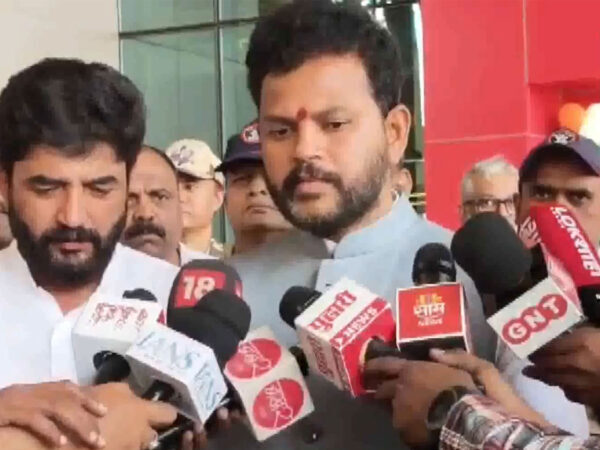
Civil Aviation Minister Ram Mohan Naidu Kinjarapu on Wednesday said that a transparent and accountable investigation would be conducted into the plane crash that killed Maharashtra Deputy Chief Minister Ajit Pawar. 

Speaking to the media here, the Union Minister said that preliminary information suggests poor visibility at the time of landing. He further explained the sequence of events leading to the accident.

“We will conduct an investigation in a transparent and accountable manner. Preliminary information indicates that visibility was poor at the site at the time of landing around 8:48 am,” he said.

Minister further added, “Before landing, ATC (Air Traffic Control) asked the pilot whether the runway was in sight, and he confirmed it was not. After a go-around, the aircraft returned to land, and the pilot was again asked if the runway was visible for landing. Then, the pilot confirmed visibility of the runway. After ATC cleared landing, it was seen that the accident had occurred.”

Expressing grief over the loss, the Civil Aviation Minister said the incident was deeply saddening.

“My heart is very heavy with sorrow. It is difficult to digest that Ajit Dada is not with us. I offer my condolences to the families of the other four persons who have died in this incident. Ajit Dada used to guide us a lot due to his experience in public service. This is an irreplaceable loss for Maharashtra. It is very difficult to find leaders like him,” he said.

Ajit Pawar died in the plane crash on Wednesday morning in Maharashtra’s Baramati.

According to DGCA, five people, including the crew, on board the chartered plane flying from Mumbai, Maharashtra, to Baramati died after a crash-landing at 8.45 am this morning. The crash landing of the Mumbai-Baramati charter plane occurred at the runway threshold in Baramati. Pawar was onboard along with 2 more personnel (1 PSO and 1 attendant) and 2 crew members.

Maharashtra Chief Minister Devendra Fadanvis has announced a state holiday and three days of mourning following the demise of Deputy CM Ajit Pawar, in a plane crash this morning.

Addressing a press conference in Mumbai, Fadanvis said that the decision on Pawar’s last rites will be made after consulting his family. (ANI)

Modi Addresses NCC Rally; 2,400 Cadets At Cariappa Parade Ground

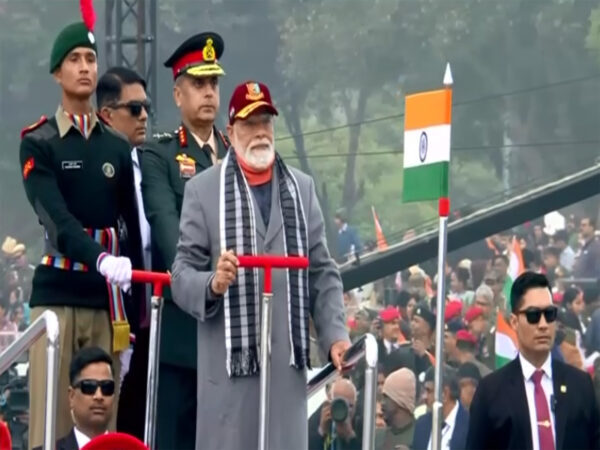
Prime Minister Narendra Modi on Wednesday attended the Annual National Cadet Corps (NCC) PM Rally at the Cariappa Parade Ground in the national capital, marking the grand finale of the month-long Republic Day Camp 2026.

Addressing a gathering of more than 2,400 cadets from across the country, the Prime Minister emphasised the role of the younger generation in shaping the nation’s future. The event, held in the presence of Defence Minister Rajnath Singh, showcased the spirit of “Rashtra Pratham – Kartavya Nishtha Yuva” (Nation First – Duty-Bound Youth) through a series of disciplined displays and cultural performances.

The theme of this year’s rally is ‘Rashtra Pratham – Kartavya Nishtha Yuva’, reflecting the spirit of duty, discipline and national commitment among India’s youth.

The rally marks the grand culmination, with participation of 2,406 NCC cadets from across the country, including 898 girl cadets. 207 youth and officers from 21 foreign countries participated.

On the occasion, a vibrant cultural programme was presented by NCC cadets, members of Rashtriya Rangshala and National Service Scheme, showcasing their role in nation building, social service and character development.

The Prime Minister’s address focused on the transformation of India’s youth from dreamers into architects of a developed nation. He emphasised that the current generation is living in a unique “Amrit Kaal”–a pivotal era where their discipline and dedication will determine India’s global standing by 2047

In the presence of Defence Minister Rajnath Singh and Prime Minister Narendra Modi, along with everyone, a breathtaking view of patriotism was seen as NCC cadets on horses paraded through the grounds, embodying a profound sense of independence.

The atmosphere was full of joy and excitement as the Prime Minister stood on the salute stage, offering a salute to the national colors. The sight of these young leaders marching with India flags at the historic parade ground served as a powerful reminder of the enduring spirit of service and the unity. (ANI)

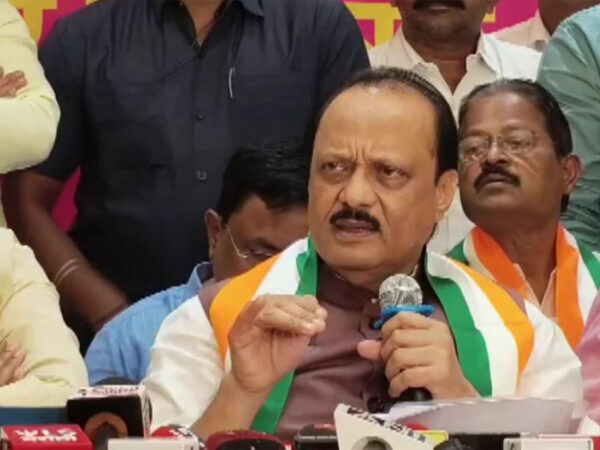
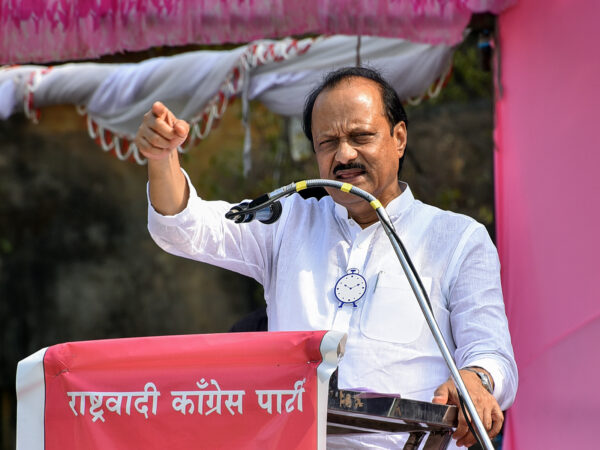
Ajit Pawar’s Last Rites To Be Performed With Full State Honours On Jan 29

Maharashtra Deputy Chief Minister Ajit Pawar’s last rites will be performed with full state honours, Maharashtra General Administration Department (Protocol) informed on Wednesday.

Kiran, Trustee of Vidya Pratishthan, said that Pawar’s last rites will be conducted tomorrow at 11 am.

“The mortal remains of Ajit Pawar will be kept at Vidya Pratishthan ground for the public to pay their last respects today. The last rites will be conducted tomorrow at 11 am,” Kiran told ANI.

Nationalist Congress Party (NCP) chief Ajit Pawar died in a chartered plane crash while travelling from Mumbai to Baramati this morning. Pawar was on his way to Baramati to campaign for the Zilla Panchayat elections.

Maharashtra CM Devendra Fadnavis announced a state holiday and three days of mourning following the demise of Deputy CM Ajit Pawar

During the three-day mourning period, the national flag will be flown at half-mast on all buildings across Maharashtra where it is regularly hoisted. No government entertainment programmes will be organised during this period. All state government offices across Maharashtra will remain closed on Wednesday, January 28, 2026.

Addressing the reporters, CM Devendra Fadanvis said that the decision on Pawar’s last rites will be made after consulting his family.

Mourning Ajit Pawar’s demise, Fadnavis said that there is a “wave of sorrow” across Maharashtra. He recalled Pawar as a hardworking leader and noted his contributions to the state.

Referring to the tragic incident as a personal loss, Devendra Fadnavis said, “Ajit Dada was a hardworking leader and did not shake in any circumstances. It is a difficult day for Maharashtra. It takes time to develop such leadership. He had major contribution to Maharashtra’s development. His demise is shocking, and for me, it’s a personal loss; a friend has left me. It’s a very big loss for the family.”

Meanwhile, Prime Minister Narendra Modi spoke to Ajit Pawar’s uncle, veteran politician Sharad, and expressed his condolences.

The crash occurred around 8.48 am, and the Directorate General of Civil Aviation (DGCA) and the Aircraft Accident Investigation Bureau have dispatched probe teams to the site of the mishap to investigate.

Ajit Pawar was the longest-serving Deputy Chief Minister of Maharashtra non-consecutively. He served in the position for six terms within various governments. He had worked as deputy chief minister in the cabinets of Prithviraj Chavan, Devendra Fadnavis, Uddhav Thackeray and Eknath Shinde.

He is survived by his wife, Sunetra Pawar and two sons, Jay and Parth Pawar. (ANI)

‘UGC Rules 2026 Are Rooted in the Basic Tenets of Our Constitution’

Dr Nisheeth Rai, faculty, department of anthropology, Mahatma Gandhi International Hindi University in Maharashtra, offers an objective analysis of new UGC rules with facts and stats.

UGC Rules 2026 have sparked an acrimonious debate amid a polarized academic ecosystem. To make matters worse there are narratives in social media which seek to project a dystopian and draconian scenario if these rules are imposed. At its core, the new rules are merely administrative guidelines intended to operationalize the Constitution within campus boundaries. Allow me to explain.

First, it should be clear that these regulations are neither a drastic law nor a charge-sheet against a specific community; these are a compliance measure rooted in the highest law of the land. The objective aligns directly with Article 14 (Equality before the Law) and Article 15, which prohibits discrimination on grounds of religion, race, caste, sex, or place of birth. The regulations do not stand outside the Constitution; rather firmly within it. The outrage often stems from a selective reading of the Constitution—embraced when it offers privilege, and rejected when it demands accountability.

There are also some misconceptions that have aroused with, what I believe, by miscalculation and misinterpretation. A primary justification for these new rules has been the reported 118.4% increase in discrimination cases from 2019-20 to 2023-24. While this percentage is statistically accurate, a deeper analysis is required to understand the ground reality and it goes as follows. The raw numbers show an increase from 173 complaints to 378 complaints. When viewed against the backdrop of India’s higher education sector, which houses approximately 4.33 crore students, these 378 complaints represent less than 0.03% of the student population—less than one complaint per 10,000 students.

Critics argue that the fundamental rights of crores of students should not be compromised for such a minute percentage, but from the government’s perspective, even a single instance of discrimination is a constitutional failure. Furthermore, the rise in numbers likely reflects better reporting mechanisms, such as the e-Samadhan portal, rather than a sudden spike in criminality. The challenge lies in addressing these specific cases without creating a blanket atmosphere of suspicion.

Second, much of the panic revolves around the 10-member Equity Committee where a narrative has been constructed that the General Category has been “erased” from this body. However, this fear is mathematically and technically unfounded. While the regulations mandate representation for SC, ST, and OBC members, along with women and persons with disabilities, the intersectionality is often ignored. A woman or a person with a disability can belong to the General category and furthermore, the unreserved seats remain open. The “math” is simple, but in the current political climate, simplicity is overshadowed by the fear of losing traditional hegemony.

While the intent is noble, the mechanics of the regulation raise valid administrative concerns. The regulations impose strict timelines for resolving complaints, with the implicit threat of funding cuts or loss of recognition for non-compliance. This creates immense institutional pressure and to save the institution’s reputation and secure funding, college administrations may opt for “summary justice.”

There also lies a genuine risk – that vice-chancellors and principals, fearing administrative backlash, might punish an accused student quickly rather than conducting a fair, time-consuming investigation. This rush to judgment may bypass the nuance required in sensitive interpersonal conflicts. Thus, a significant point of friction is the provision for immediate action against the accused. It is also being argued that opposing immediate punishment weakens the law, but a distinction must be drawn between security and punishment. While security measures like restraining orders, hostel changes, or monitoring are essential to protect the victim during an investigation, a punishment like suspending a student before an inquiry is complete treats them as guilty until proven innocent.

This approach risks violating the principles laid down by the Supreme Court in a case where the Court observed that action without inquiry can violate personal liberty. Furthermore, in another case, the Court warned against automatic arrests, stating that checks and balances are essential to prevent the law from becoming a weapon of harassment. The new UGC rules, in their current draft, seem to skirt these vital judicial guardrails. Thus, the two critical gaps in the regulations (Removal of Safeguards and Scope of Protection) require government attention to ensure the law is truly balanced.

The regulations are a necessary step toward a more inclusive academic environment and the government is right to challenge the status quo where privilege often masks discrimination. However, for these regulations to be truly effective and fair, they must be refined to restore safeguards against false complaints, ensure preliminary inquiries before suspension, and broadening the scope of protection will not weaken the law—it will strengthen the government’s credibility.

As told to Rajat Rai

‘No Doom Scrolling! No DMs!’: Karan Johar Takes A Break From Social Media

Filmmaker Karan Johar, known for actively sharing his views and posts on social media, has decided to take a break from digital platforms, opting for a temporary digital detox.

He informed his fans through a post on his Instagram stories, “Digital Detox for a week ! No doom scrolling! No DMs! No posts! May the universe give me the strength to stay away!!!!” he wrote.

Social media has a significant impact on various aspects of life including mental health and many people are discovering that stepping away from their screens can bring real peace of mind. Many celebs and famous people often opt for social media detox for their mental well-being.

Earlier, the ace director praised the latest Bollywood releases, including Ranveer Singh’s ‘Dhurandhar’ and the multi-starrer war drama film ‘Border 2’.

Taking to his Instagram story, Karan Johar emphasised that the back-to-back hits at the box office have cemented Bollywood’s position in the long run.”The mega success of the two recent back to back mega Hindi film successes prove on thing….BOLLYWOOD (yes incorrect terminology but here to stay) is BACK! Naysayers can fly a kite! All DHURANDHARS will cross BORDERS of excellence when the films strike emotional chords with a paying audience!!!!” Karan wrote on Instagram.

He also expressed admiration for ‘Homebound’ director Neeraj Ghaywan after the film missed out on a nomination at this year’s Academy Awards. Directed by Neeraj Ghaywan, the film is produced by Karan Johar, Adar Poonawalla, and Apoorva Mehta, and co-produced by Marijke deSouza and Melita Toscan Du Plantier, with Martin Scorsese and Pravin Khairnar serving as Executive Producers. (ANI)

‘Could Not Pull People Out Due To Massive Fire’: Eyewitness To Baramati Plane Crash

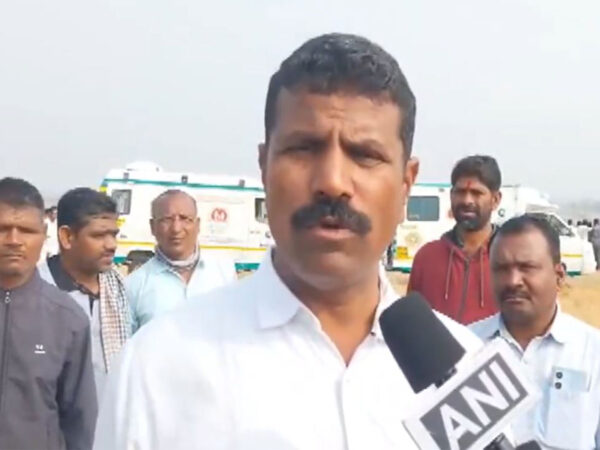
An eyewitness to the Baramati plane crash mourned the demise of Maharashtra Deputy Chief Minister Ajit Pawar and said that the locals could not rescue the people on board as the plane got engulfed in a massive fire.

Describing the tragic incident, the man said that there were at least four explosions following the crash landing of the aircraft.

The eyewitness told ANI, “This is really painful. When the aircraft descended, it seemed it would crash, and it did crash. It then exploded. There was a massive explosion. After that, we rushed here and saw that the aircraft was on fire. There were four to five explosions in the aircraft again. More people came here, and they tried to pull the people out (of the aircraft). But since this was a huge fire, people could not help. Ajit Pawar was onboard and this is really painful for us. I can’t describe it in words.”

The small charter aircraft, which took off from Mumbai around 8 am, crashed near Baramati airport during a landing attempt 45 minutes later. Visuals from the crash spot showed fire and smoke spewing from the remains of the plane. The Directorate General of Civil Aviation said all five passengers on board died in the crash.

Pawar was headed to Baramati to attend a public rally for the Zilla Parishad Elections when his plane crashed. Pawar was in Mumbai on January 27, where he attended a meeting of the Maharashtra Cabinet Committee on Infrastructure, chaired by Chief Minister Devendra Fadnavis. Maharashtra Minister Chandrashekhar Bawankule and other officials were also present.

An emotional Shiv Sena (UBT) MP, Arvind Sawant, expressed grief over the tragic demise of Ajit Pawar.

“It is very sad news,” Sawant said, adding that the entire Pawar family is shattered by the news.

“I always did what he said. He was a bold man. He had a big role in the development of the Baramati region. I express my condolences to the entire Pawar family,” the Shiv Sena (UBT) MP said.

Ajit Pawar,66, was the nephew of veteran politician and NCP founder Sharad Pawar, and the cousin of Lok Sabha MP Supriya Sule.

Most of the MPs were in the national capital to attend the Budget Session of Parliament, which begins today.

Shiv Sena (UBT) MP Priyanka Chaturvedi said, “This is very shocking, painful and heart-rending. There have been differences between us, but we have worked together. He was a really committed man who kept to his work. I express my sympathies to Pawar sahab, Supriya ji, Sunetra ji, Parth and Jay. I also express sympathies to lakhs and crores of people in Baramati. Going away like this is very painful.”

Ajit Pawar was the longest-serving Deputy Chief Minister of Maharashtra non-consecutively. He served in the position for six terms within various governments. He had worked as deputy chief minister in the cabinets of Prithviraj Chavan, Devendra Fadnavis, Uddhav Thackeray and Eknath Shinde.

He is survived by his wife Sunetra Pawar and two sons Jay and Parth Pawar. (ANI)

Trump Renews Hard-Line Iran Stance, Says War Must End As ‘Armada’ Heads To Region

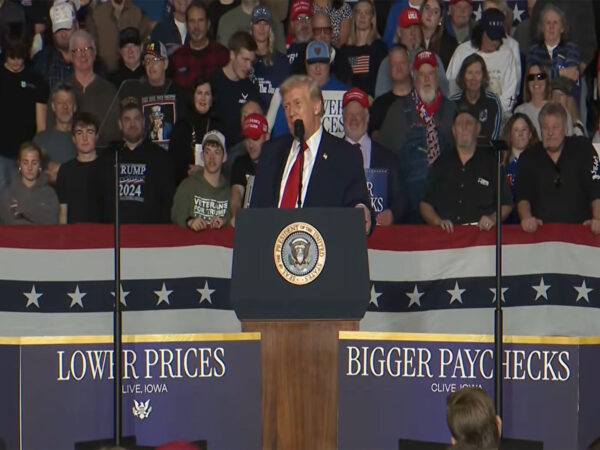
US President Donald Trump reiterated his hard-line stance on Iran during a campaign-style event in Clive, Iowa, emphasising both military pressure and the possibility of negotiations with Tehran as tensions persist over the crackdown on protesters and regional security.

Pointing to a significant US military buildup in the Middle East, Trump said, “By the way, there’s another beautiful armada floating beautifully toward Iran right now. So we’ll see. I hope they make a deal. I hope they make a deal. They should have made a deal the first time. They’d have a country.” His comments highlighted Washington’s show of force while also leaving the door open for diplomacy.

That dual message was echoed in a separate interview with Axios, where Trump said the situation with Iran is “in flux,” noting that he has moved major American military assets into the Middle East and suggesting that Tehran may be open to a diplomatic solution, according to The Times of Israel.

Amplifying the contrast between force and negotiation, Trump told Axios, “We have a big armada next to Iran. Bigger than Venezuela,” and added that officials in Tehran have repeatedly signalled a willingness to engage. “They want to make a deal. I know so. They called on numerous occasions. They want to talk,” he said.

Following the interview, a senior US official briefed reporters that the United States remains prepared to enter talks if Iran reaches out under clear conditions. “With regard to Iran, we are open for business. If they want to contact us, and they know what the terms are, then we’re going to have the conversation,” the official said, as reported by The Times of Israel.

Earlier this month, US special envoy Steve Witkoff outlined conditions the administration says would be necessary for any deal, including a ban on uranium enrichment, the removal of already-enriched uranium, capping Iran’s long-range missile stockpile, and reversing support for regional proxy forces. While Tehran has expressed willingness to negotiate, it has rejected those terms outright.

Trump also referenced previous military action against Iran’s nuclear infrastructure. He asserted that US strikes in June had “obliterated” the country’s nuclear capacity by hitting three facilities, though the extent of disruption to Iran’s enrichment programme remains unclear. “People have been waiting for 22 years to do that,” he said while referring to the June bombing campaign.

The president’s tough stance follows his first-term decision to withdraw the United States from the 2015 nuclear agreement and pursue a “maximum pressure” campaign aimed at weakening Tehran through sanctions.

Despite his warnings, Trump has not yet decided whether to authorise further military action against Iran, Axios reported, even after previously pledging to act if the regime killed protesters — a crackdown that resulted in thousands of deaths. He is scheduled to hold further consultations with his national security team this week, with military options likely to expand following the arrival of the USS Abraham Lincoln aircraft carrier in Middle Eastern waters, according to The Times of Israel.

Trump also told Axios that during a 12-day war last June, he prevented an Iranian missile attack on Israel by authorising Jerusalem to strike first, underscoring his administration’s emphasis on combining military pressure with diplomatic overtones. (ANI)

‘Grassroots Leader Dedicated To Maharashtra People’: PM Modi Mourns Ajit Pawar’s Death

Prime Minister Narendra Modi on Wednesday mourned the demise of Maharashtra Deputy Chief Minister Ajit Pawar, remembering him as a mass leader with deep grassroots.

In a post on X, the Prime Minister said Pawar was widely respected for his hard work and dedication to public service in Maharashtra. He highlighted Pawar’s strong grasp of administrative affairs and his commitment to empowering the poor and underprivileged.

“Shri Ajit Pawar Ji was a leader of the people, having a strong grassroots level connect. He was widely respected as a hardworking personality at the forefront of serving the people of Maharashtra. His understanding of administrative matters and passion for empowering the poor and downtrodden were also noteworthy. His untimely demise is very shocking and saddening. Condolences to his family and countless admirers. Om Shanti,” the ‘X’ post from PM Modi said.

Union Home Minister Amit Shah on Wednesday condoled the demise of Maharashtra Deputy Chief Minister Ajit Pawar, saying he was deeply distressed by the tragic news and hailed Pawar’s decades-long dedication to public service.

In a post on X, Shah said Pawar’s contribution to the welfare of every section of society in Maharashtra over the past three and a half decades was beyond words. He recalled their interactions, noting that Pawar always held detailed discussions on issues affecting the state’s people.

“Today, the news of the loss of Maharashtra’s Deputy Chief Minister and our senior NDA colleague Ajit Pawar ji in a tragic accident has left my heart deeply distressed. The way Ajit Pawar ji dedicated himself to the welfare of every section of society in Maharashtra over the past three and a half decades cannot be expressed in words. Whenever we met, he would engage in long discussions on numerous issues related to the welfare of the people of Maharashtra. His passing is a personal loss not only for the NDA family but also for me,” Amit Shah wrote on ‘X’.

“I express my deepest condolences to the Pawar family. In this hour of grief, the entire NDA stands firmly with the bereaved Pawar family. May God grant the departed soul a place at His divine feet. Om Shanti Shanti Shanti,” he added.

Ajit Pawar died in the plane crash on Wednesday morning.

Shiv Sena (UBT) MP Arvind Sawant on Wednesday expressed grief at the news of the tragic demise of Maharashtra Deputy Chief Minister Ajit Pawar, who was killed in a charter plane crash in Bramanti early today.

“It is very sad news,” Sawant said, adding that the entire Pawar family is shattered by the news.

“I always did what he said. He was a bold man. He had a big role in the development of the Baramati region. I express my condolences to the entire Pawar family,” the Shiv Sena (UBT) MP said

Earlier, Shiv Sena (UBT) MP Arvind Sawant expressed grief at the news of the tragic demise of Maharashtra Deputy Chief Minister Ajit Pawar who was killed in a charter plane crash in Baramati early today.

“It is very sad news,” Sawant said, adding that the entire Pawar family is shattered by the news.

“I always did what he said. He was a bold man. He had a big role in the development of the Baramati region. I express my condolences to the entire Pawar family,” the Shiv Sena (UBT) MP said.

According to DGCA, five people, including the crew, on board the chartered plane flying from Mumbai, Maharashtra, to Baramati died after a crash-landing at 8.45 am this morning. The crash landing of the Mumbai-Baramati charter plane occurred at the runway threshold in Baramati. Pawar was onboard along with 2 more personnel (1 PSO and 1 attendant) and 2 crew members. Further details about the crash are awaited.

Pawar was headed to Baramati to attend a public rally for the Zilla Parishad Elections. Pawar was in Mumbai on Tuesday, where he attended a meeting of the Maharashtra Cabinet Committee on Infrastructure, chaired by CM Devendra Fadnavis. Maharashtra Minister Chandrashekhar Bawankule and other officials were also present.

Ajit Pawar was the longest-serving Deputy Chief Minister of Maharashtra non-consecutively. He served in the position for six terms within various governments. He had worked as deputy chief minister in the cabinets of Prithviraj Chavan, Devendra Fadnavis, Uddhav Thackeray and Eknath Shinde. (ANI)

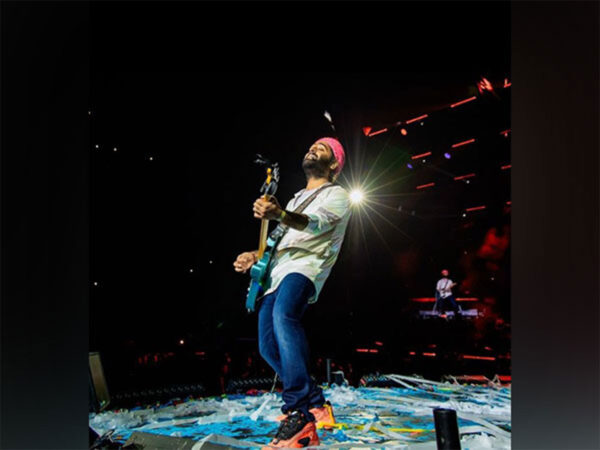
Arijit Singh Announces He Is Not Going To Take ‘Any New Assignments’ As Playback Vocalist

Popular Bollywood singer Arijit Singh, wooed his fans with his soulful voice and melodious songs like ‘Tum Hi Ho’, ‘Kesariya’, and many more. However, a shock was given to the same fans as he announced that he will no longer take up new assignments as a playback vocalist, calling an end to a “wonderful” journey.

In a message shared with his fans, Arijit expressed gratitude for the love he has received over the years. “Hello, Happy new year to all. I want to thank you all for giving me so much of love all these years as listeners. I am happy to announce that I am not gonna be taking any new assignments as a playback vocalist from now on. I am calling it off. It was a wonderful journey,” he wrote in his post on Instagram handle.

However, the announcement came as a shock to his fans across the country.

One of the social media users wrote, “Vote for cancel this announcement…………”

“NO??? somebody pls tell me this is a joke,” commented another fan.

Another fan expressed concern and mentioned, “Dear Arijit Sir, i have been a huge fan of yours since long. Your soulful singing always touches me deeply and i always listen to most of your songs. Although we don’t know the reason for such a decision but we ask you to take time, self heal and be yourself. May god help you to fight any situation if you are in. Thank you for your love to spread among us in the form of singing…”

Arijit is also a composer, music producer and instrumentalist. He began his career by participating in the reality show Fame Gurukul in 2005. He made his Hindi film debut in 2011 with the song Phir Mohabbat (Murder 2). He received wider recognition with the release of “Tum Hi Ho” from Aashiqui 2 in 2013, which earned him his first Filmfare Award for Best Male Playback Singer. Known for his mesmerising voice, Singh’s songs have resonated with the audiences across age groups.

Over the years, he lent his voice to several iconic tracks, including ‘Tum Hi Ho’, ‘Channa Mereya’, ‘Agar Tum Saath Ho’, ‘Raabta’, ‘Kesariya’, ‘Ae Dil Hai Mushkil’, ‘Tera Yaar Hoon Main’, ‘Tujhe Kitna Chahne Lage’ and ‘Hum To Tere Hi Liye The’ from director Vishal Bhardwaj’s upcoming ‘O’ Romeo’. His versatility allowed him to seamlessly move between romantic ballads, devotional songs and high-energy numbers.

His latest track ‘Ghar Kab Aaoge’ from ‘Border 2’ touched the hearts of millions. The reimagined version of ‘Ghar Kab Aaoge’ has been composed by Mithoon, with the original composition by Anu Malik. The new lyrics have been penned by Manoj Muntashir Shukla, while the original song was written by Javed Akhtar. The song features vocals by Roopkumar Rathod, Sonu Nigam, Arijit Singh, Vishal Mishra and Diljit Dosanjh.

Arijit’s contribution to Indian cinema has been recognised with multiple Filmfare Awards and other honours, cementing his position as one of the most successful playback singers of his generation. Beyond Hindi cinema, he has sung in several regional languages, expanding his reach across India’s diverse musical landscape. (ANI)