Ahead of the theatrical release of ‘Bhabhiji Ghar Par Hain: Fun On The Run’ on Friday, actor Shubhangi Atre has opened up about one of the most challenging and memorable experiences from the film- driving an ageing Ambassador car through the winding mountain roads of Mussoorie.
The upcoming film marks the official big-screen expansion of the hugely popular television sitcom ‘Bhabhiji Ghar Par Hain’, bringing the residents of the fictional Modern Colony to cinemas across India.
While the franchise is best known for its situational comedy and sharp one-liners, Atre’s behind-the-scenes account highlights the show’s humour to a cinematic scale.
Recalling the shoot, Atre said the yellow Ambassador car she was required to drive was “very old” and not ideal for the hill terrain.
“The condition of the car was… interesting. It was a very old Ambassador and it didn’t have proper brakes,” Atre disclosed while speaking to ANI.
She added, “I had to drive that car on the mountains of Mussoorie. As soon as I landed in Dehradun, the Assistant Directors (ADS) team asked me if I knew how to drive. When they pointed to the Ambassador, I was skeptical, but we made it work.”
To ensure safety during the shoot, the production team conducted several practice rounds around their hotel premises until the crew was confident in Atre’s ability to manage the vintage vehicle.
Directed by Shashank Bali, the film takes the beloved rivalry between Vibhuti Narayan Mishra (Aasif Sheikh) and Manmohan Tiwari (Rohitashv Gour) to a larger scale.
The plot follows the duo as they embark on a trip with each other’s wives, only to be intercepted by two brothers, Shanti and Kranti, who attempt to marry Anita and Angoori.
The film serves as the official cinematic expansion of the sitcom, featuring the original core cast, including Vidisha Srivastava as Anita Bhabhi. Adding to the star power are special appearances by Ravi Kishan, Mukesh Tiwari, and Dinesh Lal Yadav (Nirahua). (ANI)
Amid US President Donald Trump’s claim that India has agreed to halt purchases of Russian oil, the Ministry of External Affairs on Thursday reiterated that ensuring energy security for its 1.4 billion people remains the top priority for the Government of India, especially amid evolving global energy dynamics.
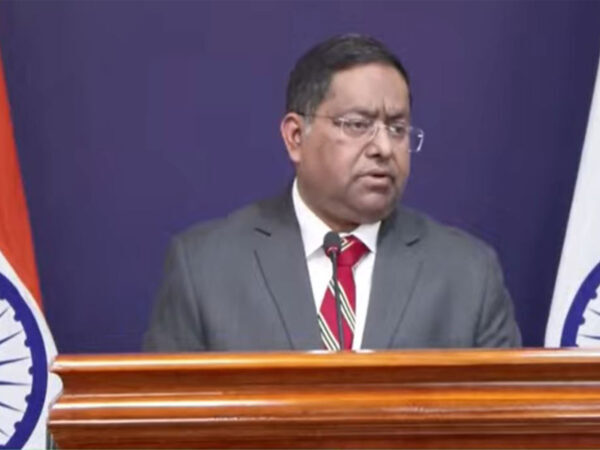
Addressing a press conference in the national capital, MEA spokesperson Randhir Jaiswal said India’s energy decisions are guided by national interest.
“In so far as India’s energy security or sourcing is confirmed, the government has publicly on several occasions, including me here, stated that ensuring the energy security of 1.4 billion is the supreme priority of the government,” Jaiswal said.
He further outlined the government’s strategy, adding, “Diversifying our energy sourcing in keeping with objective market conditions and evolving international dynamics is at the core of our strategy to ensure this. All of India’s decisions are taken and will be taken with this in mind.”
Trump made the remarks following the announcement of the India-US trade deal, claiming that New Delhi would stop buying Russian oil and shift toward increased purchases from the United States and Venezuela.
“We spoke about many this including Trade, and ending the War with Russia and Ukraine agreed to stop buying Russian Oil, and to buy much more fr the United States and, potentially, Venezuela. This will help THE WAR in Ukraine, which is taking place right now, with thousands of people dying each and every week!” Trump wrote on his Truth Social post earlier this week.
The trade deal was later confirmed by Prime Minister Narendra Modi, though no statement was made regarding stopping Russian oil imports.
Responding to questions on Venezuela, Jaiswal said India remains open to sourcing oil based on commercial considerations.
“India’s stand is clear. We have long-standing partnership with Venezuela. And we remain open to buying oil from Venezuela or other places depending on its commercial viability,” he said.
The bilateral trade agreement between India and the United States was announced on Monday, with tariffs on Indian goods reduced from 50 per cent to 18 per cent. In a press conference on Tuesday, Union Commerce Minister Piyush Goyal said the final agreement is in its last stages, a view echoed by US Trade Representative Jamieson Greer, who stated the deal is “still being papered.” A joint statement outlining the details is expected later.
Meanwhile, Russia also weighed in on the developments. Russian Foreign Ministry Spokesperson Maria Vladimirovna Zakharova said there was no reason to believe India would reconsider its energy cooperation with Russia.
“No reason to believe India has reconsidered its approach to energy cooperation with Russia,” Zakharova said, adding, “The trade in resources is beneficial for both sides and contributes to maintaining stability in the international energy market.”
Kremlin Spokesman Dmitry Peskov also said, “We, along with all other international energy experts, are well aware that Russia is not the only supplier of oil and petroleum products to India. India has always purchased these products from other countries. Therefore, we see nothing new here.”
Separately, Goyal reiterated the government’s position, saying, “wish to clarify once again, as the government has stated publicly on several occasions, that ensuring the energy security of 1.4 billion Indians is the supreme priority of the government. Diversifying our energy sourcing in keeping with objective market conditions and evolving international dynamics is at the core of our strategy to ensure this. All of India’s actions are taken with this in mind. I would therefore urge the honourable members to consider these issues in their proper perspective.”
These remarks come as External Affairs Minister S Jaishankar is in the United States for the Critical Minerals Ministerial hosted by US Secretary of State Marco Rubio.
Jaishankar said the two sides reviewed bilateral cooperation during his meetings, with discussions also covering the Indo-Pacific, West Asia and Ukraine.
“We did a fairly detailed review of our bilateral cooperation. It’s natural when foreign ministers meet that you discuss the diplomatic agenda. Also, the calendar – what do we expect each one of us to do this year together, so a lot of our discussion was devoted to that, the bilateral side. But again, foreign ministers meet, and we talk about our business: the Indo-Pacific, what is happening in West Asia, the Middle East, Gaza, and the Ukraine conflict. There was a kind of global review of what was happening in the Western Hemisphere. In a sense, we discussed the world, we discussed our relationship, and it was a very open sort of forthcoming conversation,” he said.
At the Critical Minerals meeting, the EAM underlined India’s support for the FORGE (Forum on Resource, Geostrategic Engagement) initiative. (ANI)
BJP leaders on Thursday condemned Dravida Munnetra Kazhagam (DMK) leader MRK Panneerselvam’s alleged statement targeting North Indians.
The minister in the Tamil Nadu government allegedly made derogatory remarks against North Indians, calling them “panipuri sellers” and “table cleaners.”
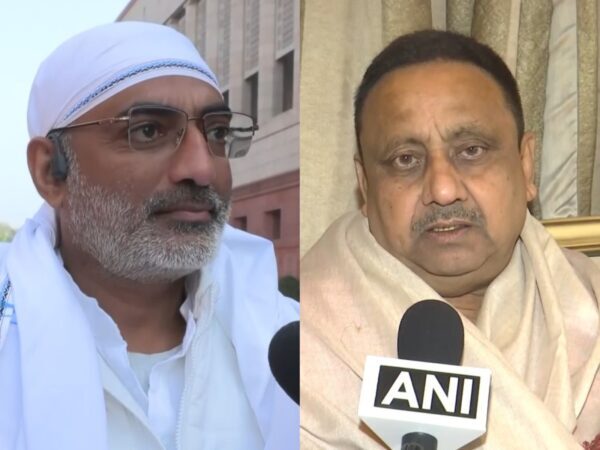
Speaking to ANI, BJP MP Darshan Singh Choudhary said that such statements undermine prosperity in North India.
“This is a shameless and problematic statement. Such people try to ruin the Sanatani atmosphere of North India. They should not engage in such practices,” he said.
Meanwhile, BJP MP Praveen Khandelwal provided a pluralistic stance, saying that everyone’s contribution must be “accepted well,” underscoring the potential role in the vision of Viksit Bharat 2047.
“Every person, be it a labourer, entrepreneur or an industrialist, has an important role to play in the economy of the nation. Everyone’s contribution and role must be accepted well. We are moving towards Viksit Bharat 2047, and everyone’s contribution will play an important role in realising it,” the BJP MP said.
Congress leader Udit Raj said, “I condemn his statement. Even though I agree that South India is ahead of North India in terms of industrialisation, the services sector, technology and education sectors,” Raj said.
Meanwhile, Dravida Munnetra Kazhagam MP Kanimozhi Karunanidhi chaired the party’s Election Manifesto Committee meeting yesterday at the party headquarters, Arivalayam, in Chennai.
She said alliance talks are ongoing with the Congress party, adding that decisions on the number of constituencies will be made by the negotiation committee, and any new party joining the alliance will be announced by the Chief Minister.
The developments come as Tamil Nadu is scheduled to hold elections in the first half of this year, although the Election Commission of India (ECI) has not yet announced the official election schedule. (ANI)
The National Human Rights Commission (NHRC) has taken cognisance of rising concerns around gyms and fitness centres across India, particularly allegations of sexual exploitation and health risks linked to unregulated practices.
Acting on multiple complaints, the Commission has issued notice to all State governments, the Ministry of Sports and Youth Affairs, and sports authorities concerned, seeking detailed information on existing rules and guidelines governing the establishment and operation of gyms and fitness clubs.
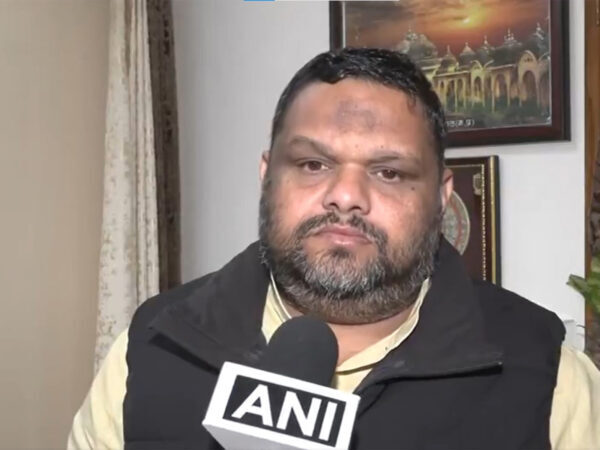
Member of the National Human Rights Commission Priyank Kanoongo said several disturbing cases have emerged from different parts of the country. “Numerous cases of sexual exploitation of women/girls/adolescent girls targeted by trainers in gyms and fitness clubs have come to light at various places across the country,” he stated, highlighting the vulnerability of young women and minors in poorly regulated fitness spaces.
Beyond safety concerns, Kanoongo also flagged serious health risks associated with the sector. He noted that the use of substandard food supplements and engagement in uncontrolled physical activities pose a direct threat to human life. “Additionally, from a health perspective as well, substandard food supplements and uncontrolled physical activities also pose a threat to human life,” he said.
The NHRC has sought comprehensive inputs from authorities to assess whether adequate regulatory mechanisms are in place. “Therefore, notices have been issued to all state governments, the Ministry of Sports and Youth Affairs, and sports authorities, summoning information regarding the rules and guidelines related to the establishment/operation of gyms/fitness centres. So that steps can be taken in the direction of controlling unethical activities in this sector,” he said.
Earlier on January 8, the Central government appointed senior Indian Police Service (IPS) officers Anand Swaroop and Anupama Nilekar Chandra to key posts in the Ministry of Home Affairs (MHA) and the National Human Rights Commission (NHRC), respectively. Appointments Committee of the Cabinet (ACC), chaired by Prime Minister Narendra Modi, approved these appointments following a proposal from the Ministry of Home Affairs.
The appointments were officially announced through an order issued by the Department of Personnel and Training (DoPT) late on January 8. (ANI)
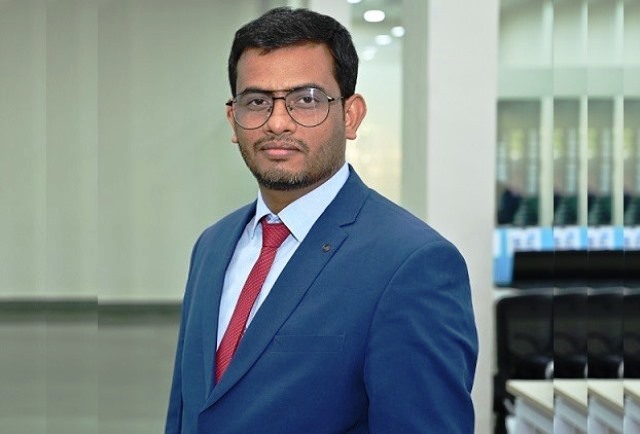
Dr Mohit Awasthi, a traveler and an Assistant Professor at Dr Vishwanath Karad MIT World Peace University, Pune, wonders if civic sense travel from one place to another. His views:
You can see an Indian searching carefully for a dustbin on a European and Western street abroad. In Sweden, Northern Ireland, even in Bhutan, they hesitate before throwing even a piece of waste paper. Back home in Shimla, Manali, Haridwar or Kashi, the same hand casually chucks a plastic water bottle, paper cup and snack pack down a hillside, river bank or in the water bodies. This person has not changed — the behavior changes as per specific geographical location.
The question is: does civic sense travel from one place to another?
This contrast has become visible in tourist places across India. Hill stations like Shimla, Manali, Nainital, Mahabaleshwar, Lonawala, Khandala; beaches in Goa, Orissa and Konkan range; pilgrimage towns like Varanasi, Haridwar, Pryagraj, Gaya, and heritage sites like Sarnath, Khujarao, Agra, bear the burden of overcrowding, too much noise and unruly behavior, anti-social social activities, random, compulsive littering. and basic disregard for public norms.
Not all Indian tourists behave this way, but the repetition is frequent enough to form a pattern, especially in India. So, why is civic discipline seemingly effortless in western countries, and so fragile at home? Is it a problem of culture, or social structure?
The question is not about lack of education or awareness, but this is something we need to think about. Historically, many societies have struggled with such behavior, which has been shaped by social structures, not by cultures.
In countries where there is a clear communication among authorities and citizens, with strong a rule enforcement system and fines, where social condemnation is immediate, and civic norms are non-negotiable –good civic sense has become integral, as well as the management of sanitation and waste management. In India, rules often exist only on paper; selective enforcement of law and avoidance of penalty has led citizens to take cleanliness for granted.
India is full of contradictions. Few cities in India like Pune, where I live now, are comparatively clean. Varanasi is starkly different, where I have spent more than a decade as a student of BHU. Indian homes, private vehicles, places of worship and private spaces are often clean, but public spaces are treated as disposable and dumpyards — like streets, railway platforms, tourist spots and riverbanks, rivers and hills. This sharp divide between private and public spaces weakens the idea of shared responsibility.
In the long history of sanitation in India, the labour of cleaning has been somebody else’s job, most often from invisible, marginalised, oppressed communities. People distanced themselves from their own waste. During the Independence movement, this tendency was criticised by Mahatma Gandhi, who cleaned his own toilet as a symbolic gesture.
After Independence, cleanliness has been one a major programes run by governments. Gandhian ideals are apparently followed in the Central Rural Sanitation Programme (1986), Total Sanitation Campaign (TSC) (1999), Nirmal Bharat Abhiyan, and now Swachh Bharat Abhiyan. Gandhi’s ideals have been glorified, but people think that waste management is someone else’s responsibility. Social and individual discipline is rejected.
When people with such habits travel to western countries, they collide with those societies, who refuse to accept such behaviour. Consequently, they face criticism. In digital spaces and public discussions, civic critique often shapes cultural stereotypes where behaviour becomes identity and nationality becomes fault. Like other migrants and tourist groups, Indians get questioned on actions, misrepresented sometime because of racism and other political factors. They get targeted. It is high time we must acknowledge problematic behaviour without supporting prejudices. It will help in rectifying the issues and shaping a respectable image.
The recent conflict around Indian tourists in Bhutan reflects the vulnerability and importance of cleanliness and good habits to protect our ecology. Bhutan is ecologically fragile; it has implanted strong civic rules. It has redefined its tourism policies to protect shared spaces and environment.
India is full of moral appeals on conservation of environment, tree plantation, cleanliness, equality, good behaviour, truthfulness, etc., but little is practised, and there is immense tolerance for everyday violations. We can see number of cleanliness campaigns which urge for responsibility but hardly enforce it. We celebrate citizenship verbally but not institutionally. There is a serious need to think about our way of life and change our behaviour, take collective responsibility, and not leave it to the individual conscience.
Strict and visible enforcement should be done in tourist zones, violators should be fined and punished. Waste-return/recycling, in ecologically sensitive areas is a must. To maintain the dignity and cleanliness of the place, tour operators and local administrators must have accountability. Civic orientation, cleanliness, decent behaviour, sanitation manners have to be made an integral part of the tourism and hospitality industry.
We need to understand and accept that global respect is not earned through economic power, demographic size, or cultural/patriotic pride, but it is built silently, through our behaviour and how we treat spaces that do not belong to us. Taking care of that will take care of each one of us living on earth.
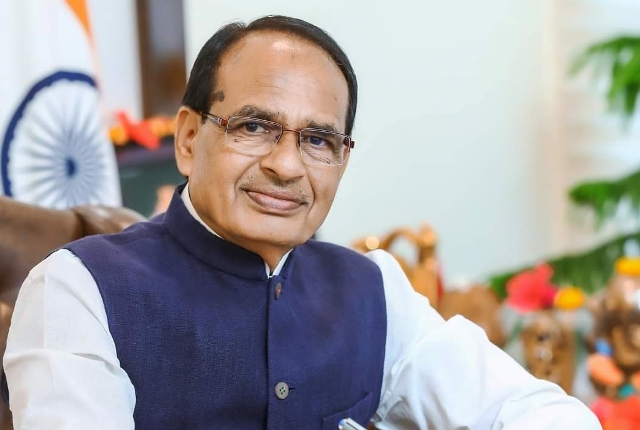
Asserting that the India-US trade deal is “a new example” of diplomacy, development and dignity, Union Agriculture and Farmers’ Welfare Minister Shivraj Singh Chouhan on Thursday said that the agreement was finalised with due care to safeguard the “interests of Indian farmers.”
The India-US trade deal reduces tariffs on Indian goods in the US to 18 per cent, while Washington has claimed the deal will help it export more agricultural products to New Delhi.
Chouhan added that major agricultural sectors, including major crops and dairy, remain “fully protected.” He said that the agreement does not compromise domestic agricultural interests in any manner.
Speaking to ANI about the impact of the agreement on India’s agriculture sector, Chouhan said, “This trade deal is a new example of diplomacy, development, and dignity. We believe in balanced and strong dialogue, not conflict. The interests of the farmers have been fully protected. Farmers’ interests are completely secure. Our main grains, fruits, major crops, and millets are all safe. Dairy products are safe.”
“The farmer is the provider of food. A food provider means a life-giver. Their interests are the interests of the nation, which have been protected. Serving the farmers is like serving God for us,” he added.
Taking a dig at the Congress and other Opposition parties, the Agriculture Minister accused them of spreading misinformation and engaging in “blind opposition”. He alleged that rumours were spread to create an atmosphere of uncertainty and disorder.
“The Congress and the opposition are frustrated. They are mentally disturbed. They cannot compete with us on the ground. They are engaging in blind opposition. They have become a machine of lies. They are a market of rumours,” he said.
Chouhan further highlighted that the trade agreement would boost India’s exports, particularly through tariff reductions, with a positive ripple effect on farmers. “Our exports will be boosted by the reduction in tariffs. When textile exports increase, cotton farmers will benefit,” he noted.
Addressing concerns about the impact of the US-India trade agreement on India’s agriculture sector, especially small and marginal farmers, the Agriculture Minister offered a categorical assurance.
“I assure that all our major crops and the dairy sector are secure. This deal has been done keeping in mind the welfare of farmers and the country’s interests,” he said.
Responding to a tweet by the US Treasury Secretary suggesting that more American farm products would be exported following the agreement, Chouhan reiterated that India had not opened its markets in a way that would harm domestic producers.
“Our Minister Piyush Goyal also clarified the entire situation in Parliament. I reiterate that the interests of Indian farmers are completely protected. Whether they are small farmers or large farmers, all our agricultural products will remain secure. The market has not been opened up for anything that would jeopardise their interests,” he explained.
Earlier on Wednesday, speaking in Parliament, Piyush Goyal highlighted that both countries have finalised several areas of a bilateral trade agreement following intensive negotiations.
Goyal informed the House that both sides will now work to complete technical processes and finalise paperwork to expeditiously unlock the potential of the deal. He described the framework as a landmark step in strengthening bilateral relations and advancing the vision of a developed India by 2047.
He added that the 18 per cent rate announced by US President Donald Trump is lower than tariffs imposed on several competing countries, which enhances India’s export competitiveness. (ANI)
Hindustan Aeronautics Ltd (HAL) on Thursday confirmed that five LCA Mk1a fighter jets are fully ready and an additional nine aircraft have already been built and flown.
The company, in a statement, assured that it will meet the guidance projected for the current Financial Year.
“HAL confirms that five aircraft are fully ready for delivery, incorporating major contracted capabilities in accordance with the agreed specifications. An additional nine aircraft have already been built and flown. Upon receipt of engines from GE, these aircraft will be made ready for delivery,” the public sector aerospace and defence company said.
HAL said that they are in active discussions with the Indian Air Force to deliver the aircraft at the earliest
“HAL has received five engines from GE as on date. The supply position from GE is positive, and the future delivery outlook aligns with HAL’s delivery plans. HAL assures that it will meet the guidance projected for the current Financial Year.” They said in a statement.
Meanwhile, the Indian Air Force will review the LCA Mark 1A combat aircraft project in May this year before deciding on the acceptance of delivery of these planes, of which 180 have been ordered by the force.
The project was discussed in detail in December last year. Since most aircraft projects are expected to be completed in April 2026, the Indian Air Force will review the project in detail again in May. The delivery timeline would be decided only after that, defence sources told ANI.
The Indian Air Force has ordered 180 of these aircraft in two tranches, but deliveries have been delayed.
The planes were likely to be delivered last year, but the Indian Air Force has insisted that HAL provide the aircraft in a fully operational configuration.
HAL conducted the first flight of the first Tejas Mk1A prototype from its Nashik facility on October 17.
The deliveries of the aircraft were supposed to be done almost a year ago, but supply chain issues faced by the engine have pushed them back for some time. (ANI)
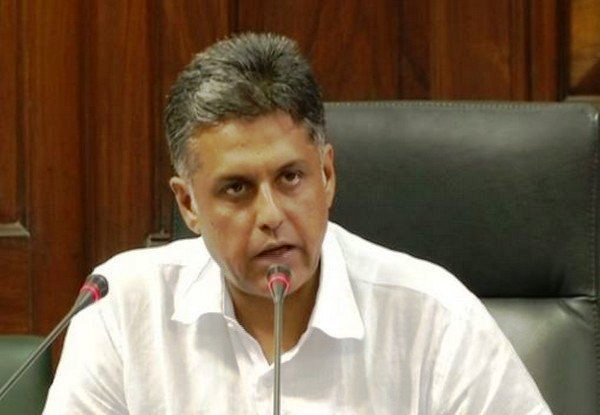
Congress MP Manish Tewari on Thursday moved an adjournment motion in the Lok Sabha, urging the House to debate on a matter of “grave public importance” related to the India-US trade deal and energy understanding.
The India-US trade deal reduces tariffs on Indian goods in the US to 18 per cent, while Washington has claimed the deal will help it export more agricultural products to New Delhi.
In his notice, Tewari said the house should discuss a reported claim by US President Donald Trump that Prime Minister Narendra Modi had agreed that India would stop purchasing Russian oil and substantially increase oil imports from the US and Venezuela.
He further demanded a debate on reducing Indian tariffs and non-tariff barriers to zero, and a commitment to procure over USD 500 billion in American goods.
“I move that this House do suspend Question Hour, Zero Hour and all other listed business of the day to take up an urgent matter of grave public importance, namely the reported statement issued by the President of the United States claiming that the Government of India has agreed to (i) stop purchasing Russian oil, (ii) substantially increase of oil imports from the United States and Venezuela, (iii) reduce Indian tariffs and non-tariff barriers to zero, and (iv) commit to procurement of over 500 billion dollars of American goods,” Tewari said in his motion notice.
The Congress leader noted that Russian crude has helped moderate fuel inflation in India, and any abrupt shift in sourcing could “burden citizens and industry.” He also warned that large trade concessions could adversely impact domestic manufacturing, farmers and the MSME sector.
“If such commitments have indeed been made, they will have serious implications for India’s energy security, price stability, and independent foreign policy. Russian crude has helped moderate fuel inflation, and any abrupt shift could burden citizens and industry. Large trade concessions may also affect domestic manufacturing, farmers, and MSMEs,” the notice read.
Tewari urged the Government to make an immediate statement and allow a full discussion so that the nation is not presented with decisions taken without transparency in matters of trade, energy, and foreign policy.
Meanwhile, both Houses of Parliament are scheduled to continue the discussion on the motion of ‘Thanks to the President’s Address’ during the ongoing Budget Session today.
In the Lok Sabha, the motion was moved by Sarbananda Sonowal and seconded by Tejasvi Surya. The House has allotted 18 hours for the discussion.
Prime Minister Narendra Modi was expected to reply to the Motion of Thanks on the President’s Address on Wednesday; instead, after repeated disruptions and sloganeering by the Opposition members, the Speaker adjourned the Lok Sabha.
The Prime Minister is likely to reply in the Rajya Sabha on the motion of thanks today as the discussion continues.
The Budget session comprises 30 sittings over 65 days and concludes on April 2. The two Houses will adjourn for a recess on February 13 and reconvene on March 9 to enable the Standing Committees to examine the Demands for Grants of various ministries and departments. (ANI)
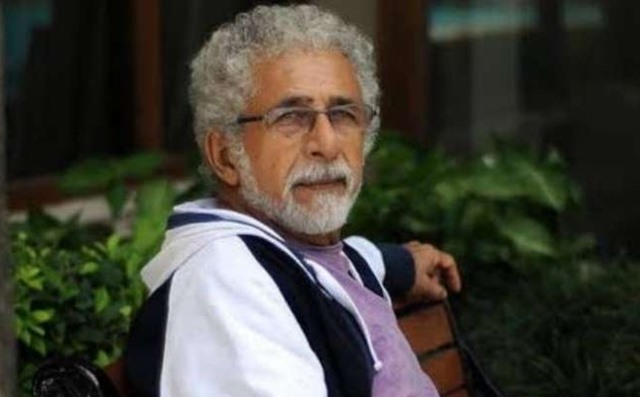
Veteran actor Naseeruddin Shah has publicly criticised Mumbai University after being uninvited from a student event just hours before it was scheduled, calling the decision insulting and dishonest.
In a strongly worded article in the Indian Express titled “When a university speaks power to truth”, Shah detailed how he was dropped from the Jashn-e-Urdu programme organised by the university’s Urdu department on February 1, allegedly without explanation or apology.
According to Shah, he was informed late on the night of January 31 that his presence was no longer required. What followed, he wrote, was even more troubling, the audience was told that he had declined to attend.
“The university, after informing me that I needn’t attend… decided to rub a little salt in by announcing that I had refused to be there,” Shah wrote, rejecting the claim outright.
The actor, who has frequently engaged with students over his four-decade-long career, said the event had held special meaning for him because of the opportunity to interact with young learners.
He described teaching and engaging with students as some of the “most joyous and educational experiences” of his professional life, adding that he had gained more from such interactions than from formal teachers of acting.
Shah suggested that the real reason for his disinvitation lay in his public criticism of the current political climate.
Referring to comments reportedly made by a senior university official, he challenged the accusation that he “openly makes statements against the country,” asking for evidence of any remark in which he had run down India.
“Sure, I have never praised the self-proclaimed ‘Vishwaguru’,” Shah wrote, adding that he has been critical of the Prime Minister’s conduct and the actions of the ruling establishment.
In the article, Shah expressed concern over what he described as shrinking freedoms, the treatment of student activists, and the broader social atmosphere, invoking George Orwell’s 1984 situation writing “not singing the praise of the “great leader” is considered sedition”, to underline his unease with what he called constant surveillance and “24 hours of hate.”
“This is not the country I grew up in and was taught to love. The “thought police” and “doublespeak” have been deployed in full force, as has surveillance,” he wrote.
Recenty composer AR Rahman triggered widespread debate during an interview with the BBC Asian Network, where he discussed his reduced presence in Bollywood.
Rahman attributed the shift to a transfer of power toward corporate, non-creative entities and hinted at “communal” undercurrents within the industry.
The industry reaction was swift. While veteran Javed Akhtar argued that producers might simply be “scared to approach” a legend of Rahman’s stature, filmmaker Subhash Ghai defended his collaborator, claiming the remarks were “unnecessarily exaggerated.”
Amidst boycott calls, Rahman eventually released an Instagram clarification, reaffirming India as his “inspiration” and that his “intentions” were “misunderstood”.
“I have never wished to cause pain, and I hope my sincerity is felt. I feel blessed to be Indian, which enables me to create a space that always allows freedom of expression and celebrates multicultural voices,” he said. (ANI)
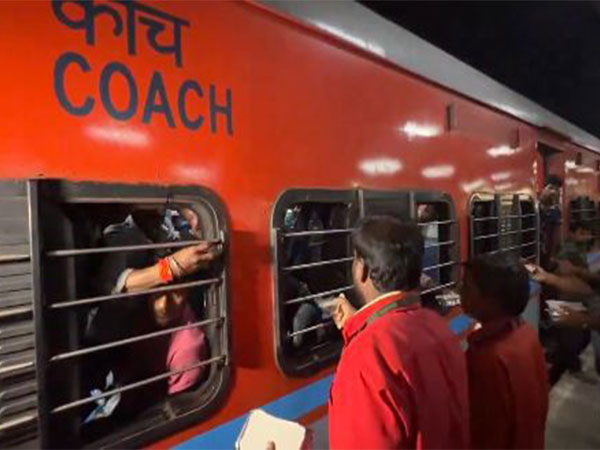
A coach of the MGR Chennai Central to New Jalpaiguri Superfast Express derailed near Jakhapura Station in Odisha on Thursday, according to officials.
The Chief Public Relations Officer (CPRO) of East Coast Railway, Deepak Rout, stated that there were no injuries or casualties in the incident tha ttool place at 8.51 am nd that passengers are being assisted. He said the situation is being monitored and that the railway line will also be restored soon.
“There has been a minor derailment at Jakhapura. The train was moving from Chennai to New Jalpaiguri. There are no injuries or loss of lives. Affected passengers are being accommodated in other coaches. It is a minor derailment. Helpline number is 8114382367. A technical team and senior officials are on site. All help is being provided to passengers, and the situation is being monitored. The railway line will be restored soon,” the CPRO told ANI.
Subsequently, the relief teams have been ordered to turn out (ordered to move/ready for action) from their respective bases.
An Accident Relief Train (ART) from Bhadrak (BHC) and Khurda Road (KUR) were ordered to turn out at 08:53 Hours. Additionally, an Accident Relief Medical Equipment (ARME) from Khurda Road (KUR) was ordered to turn out at 08:53 Hours.
Further details on the incident are awaited as the relief work continues. (ANI)
We use cookies to give you the best online experience. By agreeing you accept the use of cookies in accordance with our cookie policy.
When you visit any web site, it may store or retrieve information on your browser, mostly in the form of cookies. Control your personal Cookie Services here.
These cookies are essential in order to enable you to move around the website and use its features. Without these cookies basic services cannot be provided.
Cookie generated by applications based on the PHP language. This is a general purpose identifier used to maintain user session variables. It is normally a random generated number, how it is used can be specific to the site, but a good example is maintaining a logged-in status for a user between pages.
In order to use this website we use the following technically required cookies
wordpress_test_cookie
wordpress_logged_in_
wordpress_sec
These cookies allow the website to remember choices you make (such as your user name, language or the region you are in) and provide enhanced, more personal features. These cookies can also be used to remember changes you have made to text size, fonts and other parts of web pages that you can customize. They may also be used to provide services you have asked for such as watching a video or commenting on a blog. The information these cookies collect may be anonymized and they cannot track your browsing activity on other websites.
Cookie associated with sites using CloudFlare, used to speed up page load times. According to CloudFlare it is used to override any security restrictions based on the IP address the visitor is coming from. It does not contain any user identification information.
Cookie associated with sites using CloudFlare, used to identify trusted web traffic.
__cfruid
These cookies collect information about how visitors use a website, for instance which pages visitors go to most often, and if they get error messages from web pages. These cookies don’t collect information that identifies a visitor. All information these cookies collect is aggregated and therefore anonymous. It is only used to improve how a website works.
This cookie name is associated with Google Universal Analytics - which is a significant update to Google's more commonly used analytics service. This cookie is used to distinguish unique users by assigning a randomly generated number as a client identifier. It is included in each page request in a site and used to calculate visitor, session and campaign data for the sites analytics reports. By default it is set to expire after 2 years, although this is customisable by website owners.
This cookie name is associated with Google Universal Analytics, according to documentation it is used to throttle the request rate - limiting the collection of data on high traffic sites. It expires after 10 minutes.
This cookie is installed by Google Analytics. The cookie is used to store information of how visitors use a website and helps in creating an analytics report of how the website is doing. The data collected including the number visitors, the source where they have come from, and the pages visited in an anonymous form.
These cookies are used by Youtube, Google, Twitter, and Facebook to deliver adverts that are relevant to you and your interests. They are also used to limit the number of times you see an advertisement as well as help measure the effectiveness of the advertising campaign.
This cookie is usually associated with the ShareThis social sharing widget placed in a site to enable sharing of content across various social networks. It counts clicks and shares of a page.