‘Social Media Addiction Is Turning Into A Mental Health Crisis’

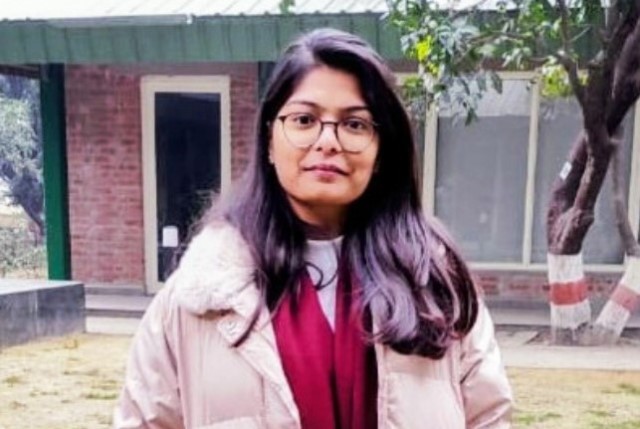
Anuradha Singh, a post graduate in psychology from Lucknow University, says that the K-Craze is part of social media addiction affecting our children’s mental health. Her views:

The recent suicide case of three teenage sisters in Ghaziabad is deeply concerning which highlights a growing phenomenon among Gen Z and Gen Alpha. This is not an isolated case of “fandom gone wrong”; it is a glaring symptom of a modern teenage tendency known as maladaptive daydreaming and extreme digital escapism.

What happened in the Ghaziabad triple suicide case brings into focus: a) digital escapism, b) identity formation, and c) breakdown of traditional social boundaries. It will not at all be an exaggeration to call this world a Digital Cocoon in which this generation has shelled itself into.

There could be many reasons a teenager would become depressed, anxious, or experience social phobias while using social media. In addition, there are just as many reasons why social media is enticing to a teen with an existing mental health issue.

Most teens have difficulty regulating and expressing emotions, and also have a huge susceptibility to peer pressure. This puts them at risk for experiencing anxiety or depression as a result of social media, or for existing mental health issues to get worse.

Frequent use of social media actually rewires the developing teen brain to constantly seek out immediate gratification. Consequently, it can lead to other addictive behaviour. Sudden cessation of online social networking may in some chronic users trigger symptoms that at least partially resemble the ones seen during drug/alcohol/nicotine withdrawal.

ALSO READ: Online Content Can Amplify Fantasy, Distort Reality

The problem lies at the intersection of parenting styles, technological design, and the allure of the virtual world. In my opinion, parenting plays a very critical role, as parental attitude and their own tech habits significantly influence children and teens. However, it is not that the child can remain unchecked if he or she lives alone or away. There is always a way out to remain connected with your children emotionally as they often seek gadgets as a solution for emotional upliftment.

Conflict often arises because parents focus on screen time or academic distraction, whereas the child views the fandom as a source of joy and clarity. Experts suggest that “resistance could be counterproductive” and recommend parents get involved and relate to their child’s choices instead of just depriving them. The Economic Survey 2025-26 in India recently has also flagged digital addiction as a major public health concern, noting it is tipping into “overconsumption” that affects attention spans and learning outcomes.

I would only like to conclude by saying that we must stop viewing social media addiction as a mere hobby or a phase. It is a mental health crisis and we need intergenerational dialogue where parents move from being gatekeepers to guides. We must encourage digital detox not as a punishment, but as a way to reconnect with the tangible world—the feel of the sun, the messiness of human conversation, and the value of a life lived outside the five-inch screen.

As told to Rajat Rai

Reel Makers Have Created a Mess in Our Online & Public Spaces

‘Reel-Makers Have Created a Mess in Our Online & Public Spaces’

Versha Singh, a Delhi-based educator and artist, says reel-makers are a public nuisance who throw caution to the wind for two minutes of fame. Her views:

In this technology driven world, everything is available on a single click. There is a lot of content for the audience to consume. In recent years, the rise of short-form video content has taken the internet by storm. Platforms like TikTok, Instagram, and YouTube have given birth to a new generation of creators known as ‘reel-makers’. While they may entertain and amuse, most of these reel-makers are increasingly becoming a nuisance in online and public spaces.

The constant barrage of loud, attention-grabbing videos can be overwhelming and troublesome. Many reels prioritise style over substance, sacrificing meaningful content for clicks and fame. This superficial approach contributes to the audience being shaken out of their wits. But it is not only about the lack of context in the content that we consume but also about serious matters such as invasion of privacy, cyberbullying and misinforming the audience.

More than15.7% of students today face online bullying. This is one of the highest rates of cyberbullying globally. There also have been instances when reel-makers have invaded the privacy of other people. Misinformation too has been an effect of reel-making. It perhaps is the most lethal of all. For the sake of views and likes, reel-makers spread rumours; so much so that some people have started regarding reels as ‘online media’. It comes as no surprise then that this has eroded people’s trust in online journalism and media and has made everyone turn back to print media.

Now while that may have its pros and cons, it is absolutely undeniable that reel-makers have ensued chaos upon our society. From feeding young minds inappropriate content and setting a different standard as being ‘cool’, the reel-makers have harmed the young generation the most that considers the internet and such videos as being real and authentic.

ALSO READ: ‘Risky Reel Creators Must Be Banned From Social Media’

When people say that social media has ruined this generation, it is the segment of reels they target. It has given people access to all sorts of content – appropriate and inappropriate- and there is no way that the content can be filtered. Social media was supposed to make us aware and updated, which it did to some extent, but then again this is too high a price to pay for a bit of decent content.

Everything has a limit but it seems that this phenomenon does not apply to reels and reel-makers. Trends come and go like they never existed. It has set an artificial living standard for everyone; and if anyone does not keep up with this online show-off standard then they are simply termed as failures/losers.

All this adversely affects the mental health and wellbeing of people, especially the teens and young adults. The line between right and wrong is blurred; it is only socially accepted and socially secluded. No one wants to be left out. There is a mad race to grab attention and to be seen. Anything will work – from vulgar to gross to obnoxious to dangerous.

This also gives rise to the problem of peer pressure. Let us amalgamate our opinions and entertainment in a way that it does not mislead anyone. It’s time to acknowledge the darker side of reel-makers and their impact on our online culture. While entertainment has its value, let’s not forget the importance of responsible content creation and respectful online engagement.

For more details visit us: https://lokmarg.com/

As told to Deepa Gupta