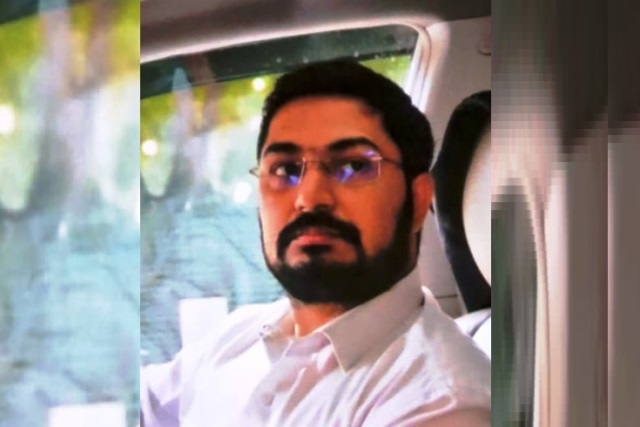
Shailesh Sinha, a road safety expert, says a vehicle in the hands of an underage driver can act like a weapon if not used responsibly. His views:
Underage and rash drivers are causing mayhem on Indian roads. Parents allowing their underage children to take vehicles on the road is not just irresponsible—it is dangerous, and at times, fatal. To understand this issue, we need to look at the basic psychology of our country.
India is a developing nation where growth often becomes the priority—sometimes at any cost. In this race, the value of human life unintentionally moves to the last pedestal. Since childhood, we are taught to chase speed, targets, and achievements. That same restless energy often reflects on our roads.
India loses almost 2 lakh lives every year due to road crashes. That translates to nearly 480 deaths every single day. Every 24 hours, countless families are shattered. These are not just numbers—they are human lives.
One major concern is why parents allow underage children to drive. There are two basic reasons. First, many parents themselves have not experienced the surge in automobile culture that India has witnessed in the last 15-16 years. The sudden expansion of high-speed vehicles, easy access to powerful cars, and the rapid growth of social media-driven lifestyles are new phenomena. Many parents do not fully understand the magnitude of risk and its consequences, which makes them less effective guides for their children.
Second, today’s youth are surrounded by reels, thrills, speed, instant gratification, loud music, and high-performance vehicles. When all these influences enter a teenager’s life at once—especially in upwardly mobile environments—it becomes extremely difficult to manage impulses. In such situations, even parents feel helpless.
Recent incidents like the Porsche case in Pune, the Toyota Innova crash in Dehradun, and the Lamborghini and Lucknow Swift cases reported in the media are clear warning signs. These are not isolated incidents; they reflect a growing pattern.
The core problem is that underage drivers—and even many licensed young drivers—do not realise that a vehicle in their hands can act like a weapon if not used responsibly. As I always say, “A vehicle is a weapon, if not used right.”
Speed alone does not kill. An underprepared, unskilled, and irresponsible driver kills. This understanding needs to be firmly cemented in the minds of both present and future drivers.
Authorities must intervene with a strong message focused not only on enforcement but also on education and civic sense. Only the right education can bring sustainable change. We are already aware of traffic laws, and honestly, the basics are enough to keep everyone safe—if followed sincerely.
We must start respecting our journeys and every individual sharing the road with us. Automobile technology is progressing at rocket speed, but the human brain and reflexes remain almost unchanged for thousands of years. There is a clear imbalance between technological advancement and human preparedness.
Strict enforcement is also necessary. Fines should be high enough to create real financial deterrence. High-speed accident drivers should face stringent legal charges. Underage drivers caught on the road should face long-term consequences, including delayed eligibility for a permanent driving license even after reaching legal age.
There can be many laws and principles for road safety. But before anything else, we must correct the basics—because even the basics are not right.
As told to Deepti Sharma